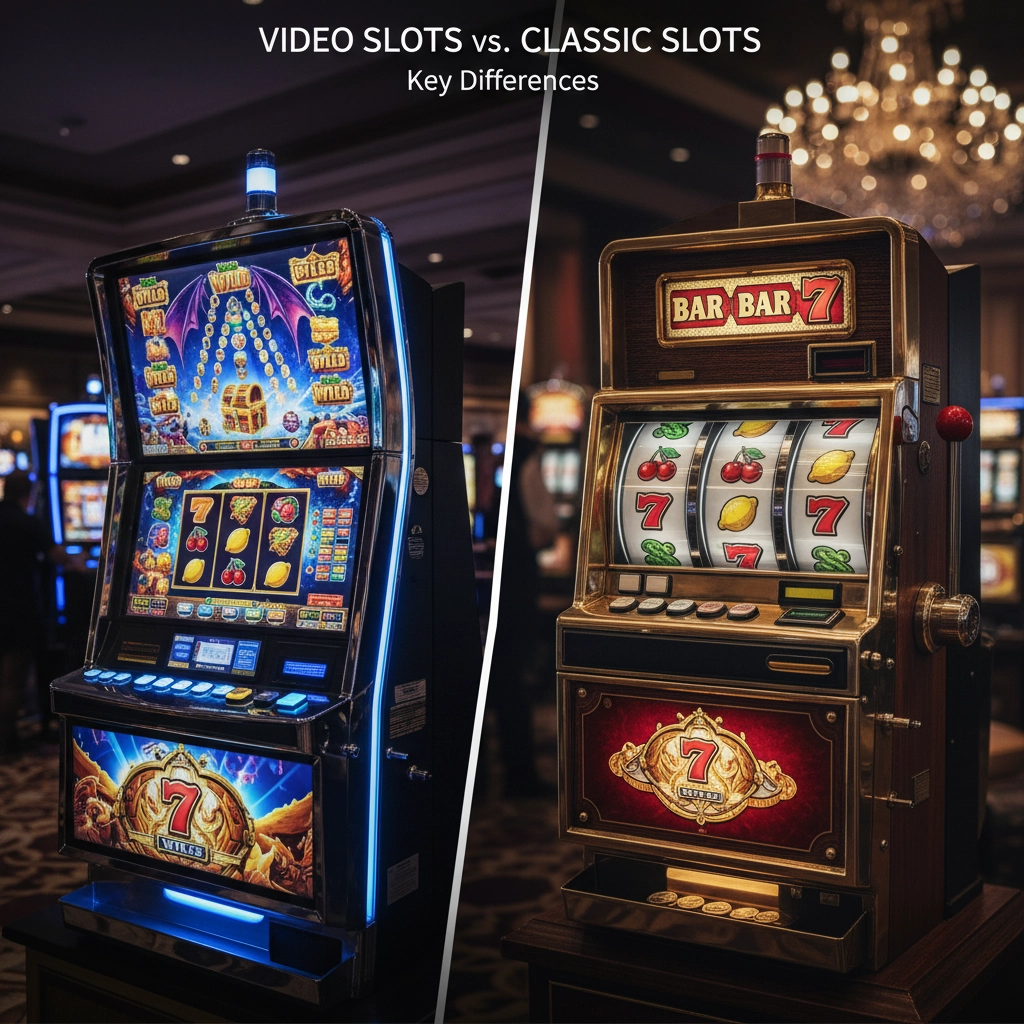

Why classic slot machines still matter in a digital era
You encounter references to classic slots everywhere — in casino halls, online game lobbies, and retro-themed bars — because they represent the roots of slot gaming. Understanding the core types (3-reel, 5-reel retro, and electromechanical) helps you appreciate design choices, payout logic, and the player experience that modern video slots built on. This section gives you context on their historical role and what to look for when you play or study these machines.
What defines a “classic” slot experience
Classic slots are characterized by simpler mechanics, fewer paylines, and a focus on symbol-driven outcomes (cherries, bars, sevens). When you approach a classic machine, expect:
- Limited reels and paylines — straightforward win lines that are easy to follow.
- Immediate feedback — loud reels, physical clacks, and simple payouts.
- Lower volatility options — many classic games provide frequent, smaller wins.
How 3-reel slots work and why they endured
3-reel slots are the archetype of slot machines. If you’ve seen a vintage slot or played a basic online classic, you’ve likely tried a 3-reel game. Their appeal lies in simplicity: three spinning reels, often a single payline, and direct symbol combinations. You don’t need complex rules to play — you place your bet, spin, and check the central line for matches.
Technical and gameplay traits of 3-reel machines
At a technical level, traditional 3-reel machines used mechanical reels connected to levers and gears; later versions replaced these with stepper motors and electronic controls while preserving the look and feel. Key traits to recognize:
- Few symbols per reel — which makes the math behind payouts easier to calculate.
- Simple paytables — matching three identical symbols typically yields the top prize.
- Quick play cycles — you can spin many rounds in a short time, making them engaging for casual play.
Because of their transparency and nostalgia, 3-reel slots remain popular with players who prefer predictable, low-complexity games.
Electromechanical and 5-reel retro machines: bridging old and new
As technology progressed, electromechanical (EM) slots introduced electrical components to previously all-mechanical designs. These hybrids kept physical reels but added lights, more complex payout mechanisms, and new bonus features. Later, 5-reel retro slots expanded the reel count while retaining vintage aesthetics, offering you a familiar feel with more ways to win.
Features that distinguish EM and 5-reel retro slots
- Electromechanical: physical reels with electrical switches, audible solenoids, and mechanical payouts.
- 5-reel retro: more symbols and paylines, often themed graphics, but styled to look like classic machines.
- Increased feature potential: bonus rounds, hold-and-spin or multiple paylines that modernize the classic formula.
These developments set the stage for how designers balanced nostalgia and innovation, and in the next section you’ll dive deeper into payout mechanics, volatility, and how those factors affect your play strategy.
Payout mechanics: from coin hoppers to virtual paytables
Understanding how payouts are determined is central to appreciating the differences between 3-reel, electromechanical, and 5-reel retro slots. In mechanical and electromechanical (EM) machines, payout mechanics were literal: a winning combination triggered mechanical linkages or solenoids that released coins from a hopper, and payout rates were tied to physical gearing and stop-positions on the reels. Paytables were straightforward and visible on the machine face, and jackpots often required a specific bet structure (for example, three bars on a max coin bet).
As electronics arrived, the visible paytable remained as a player-facing feature, but the underlying logic moved to switches and microcontrollers. Many EM hybrids used stepper motors and electrical contacts so designers could implement slightly more complex odds without losing the tactile feel.
When retro-style 5-reel slots migrated online, the payout logic moved entirely to software-driven random number generators (RNGs) and virtual reel strips. That means:
- RTP (return-to-player) and hit frequency are defined by virtual reel weighting and RNG algorithms, not by physical stops.
- Five reels allow many more symbol combinations, which lets designers add multiple paylines and tiered payouts while keeping a retro look.
- Some classic-style video slots still simulate stepper motor sounds and fixed paylines to preserve the vintage experience, even though outcomes are RNG-driven.
Across formats, the paytable is your map: it tells you symbol values, required bet levels for top prizes, and whether a “max-coin” bet unlocks higher payouts or progressive jackpots. Check the paytable before you play — a small difference in coin denomination or required bet can dramatically change expected returns.
Volatility and practical strategies for classic-slot play
Volatility (variance) describes how often and how much a slot pays. Classic types tend toward lower to medium volatility, but there’s variety:
- 3-reel classics commonly offer low volatility: frequent small wins, simpler top prizes, quick cycles—good for longer sessions on modest bankrolls.
- Electromechanical machines can span low to medium volatility depending on reel stops and payout gearing; physical jackpots may be limited by hopper capacity, affecting payout size.
- 5-reel retro games—especially video implementations—can be designed with higher volatility by adding more paylines, rarer high-value combinations, and bonus features.
How to use that information practically:
- Bankroll sizing: For low-volatility classics, smaller units and a higher number of spins are reasonable. For higher-volatility 5-reel retro titles, increase your unit size and expect longer dry spells if chasing big payouts.
- Bet strategy: Read the paytable for “max-coin” rules. On many older machines, only the maximum bet qualifies for top jackpots; on multi-payline retro reels, spreading a moderate bet across paylines often balances risk and coverage.
- Session goals and spin rate: Electromechanical and mechanical machines have a slower, more deliberate pace; that can help you control spend. Online versions with fast spin cycles require self-imposed limits to avoid rapid bankroll erosion.
- Progressives and jackpots: If a progressive carries a visible jackpot on a classic face, confirm the contribution rate and any max-bet requirement before increasing stakes.
Knowing the payout mechanics and volatility profile of the machine you choose helps you match expectations to outcomes and make smarter decisions about bet size, session length, and which classic format best fits your play style.
Keeping the classic spirit alive
Whether you prefer the tactile clack of a 3-reel handle pull, the hybrid hum of an electromechanical machine, or the retro look of a 5-reel video slot, these formats each deliver a distinct experience that players and collectors still value. If you’re exploring classics, focus on what matters to you: the feel of the machine, the pacing of play, or the nostalgia of symbols and sounds. For historical context and deeper reading, see History of slot machines.
- Play responsibly: set session limits and choose volatility that fits your bankroll.
- Check the paytable and max-bet rules before betting—small differences change expected returns.
- Try demos of retro video slots to sample bonus features and paylines without risk.
- If collecting or visiting arcade/museum pieces, verify condition and provenance—mechanical parts and hoppers are the most fragile elements.
Frequently Asked Questions
Are 3-reel classic slots fair compared to modern video slots?
Yes—fairness depends on regulation and the RNG or mechanical design, not the reel count. Licensed casinos and regulated jurisdictions require tested RNGs or audited mechanical payout mechanisms, so a 3-reel classic in a reputable venue is as fair as a modern video slot.
Do electromechanical slots pay out differently from electronic or video slots?
Electromechanical machines paid out based on physical reel stops and gearbox/payout gearing, which produced predictable hit frequencies tied to hardware. Electronic/video slots use RNGs and virtual reel weighting, allowing much greater flexibility in RTP and hit frequency—so payout behavior can differ even if the game looks similar.
How can I tell if a 5-reel “retro” online slot is genuinely modeled on classic mechanics?
Look at the game information and paytable: developers often state whether sounds and animations are cosmetic. The underlying logic will be RNG-driven with virtual reels; any stepper-motor or mechanical noises are simulated. Check the game’s technical or developer notes for mentions of simulated hardware behavior if authenticity matters to you.