[Start HTML content here]
Why 2026 Feels Like a Turning Point for Slot Game Themes
As you explore online casinos in 2026, you’ll notice slot game lobbies are dominated by richly themed titles. The industry has shifted from simple fruit-and-sevens mechanics to immersive narratives and media-driven experiences. These themes aren’t just aesthetic choices — they change how you engage with gameplay, rewards, and social features.
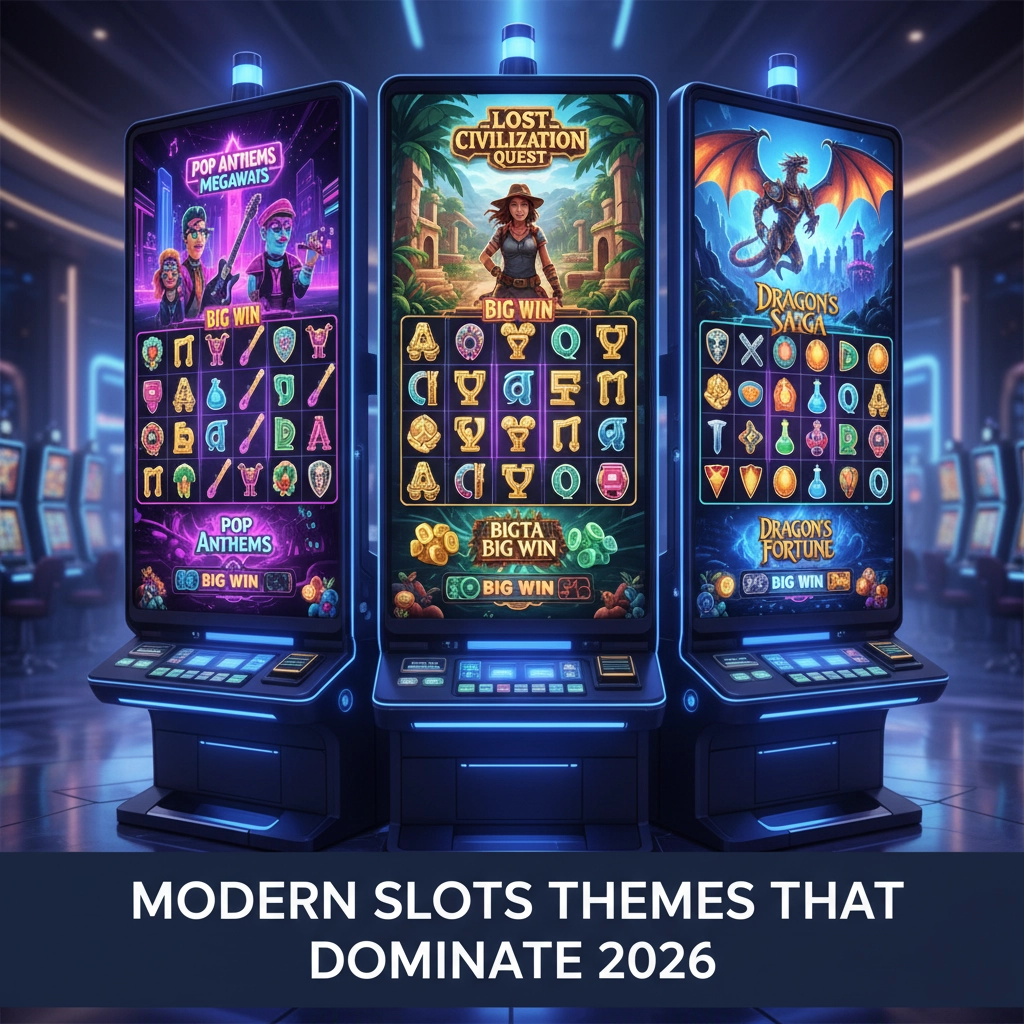
Understanding why certain themes dominate helps you pick games that match your preferences, whether you value storytelling, big bonus mechanics, or just recognizable characters and worlds. Below, you’ll get a clear picture of the three most influential theme categories this year: pop culture, adventure, and fantasy.
How Pop Culture Slots Capture Your Attention in 2026
Pop culture slots leverage movies, TV shows, music, and celebrity branding to draw in players who already feel a connection to the content. You’ll see more licensed slots than ever, but developers are also creating original titles that borrow familiar storytelling beats and aesthetics.
Why these slots work for you
- Instant recognition: Familiar characters and soundtracks reduce the learning curve and increase emotional engagement.
- Cross-platform appeal: Popular IPs bring fans from streaming and social media into gaming environments.
- Serialized content: Developers release sequels and seasonal updates that keep you returning for new mechanics tied to story beats.
Technically, pop culture slots in 2026 integrate video clips, licensed music, and multi-act bonus rounds that mirror episodic storytelling. When you play, you’re often moving through narrative checkpoints that unlock new visuals and mechanics — a format that makes each session feel like a curated episode rather than a single-spin event.
What Adventure and Fantasy Slots Offer Beyond Aesthetics
Adventure and fantasy remain pillars because they tap into the human desire to explore and achieve. You’ll find games that range from cinematic treasure hunts to high-fantasy quests with layered mythologies. These themes offer long-form progression systems that reward persistence and strategy.
Key mechanics you’ll encounter
- Map-based progression: Unlock regions, bosses, or events as you accumulate spins and complete objectives.
- Skill-light decision points: Simple choices (e.g., path A vs. path B) influence bonus outcomes and add perceived agency.
- Persistent inventories and loot: Cosmetic and functional items that track across sessions, increasing long-term engagement.
Designers are also blending genres — think steampunk treasure quests or sci-fi fantasy epics — which broadens appeal and keeps themes from feeling stale. As a player, you’ll appreciate how these mechanics turn short play bursts into meaningful campaigns with narrative payoffs and escalating rewards.
In the next section, you’ll explore how developers pair these themes with technical features like adaptive audio, RNG variations, and social mechanics to shape your actual play experience.
How adaptive audio, visuals and RNG variations deepen immersion
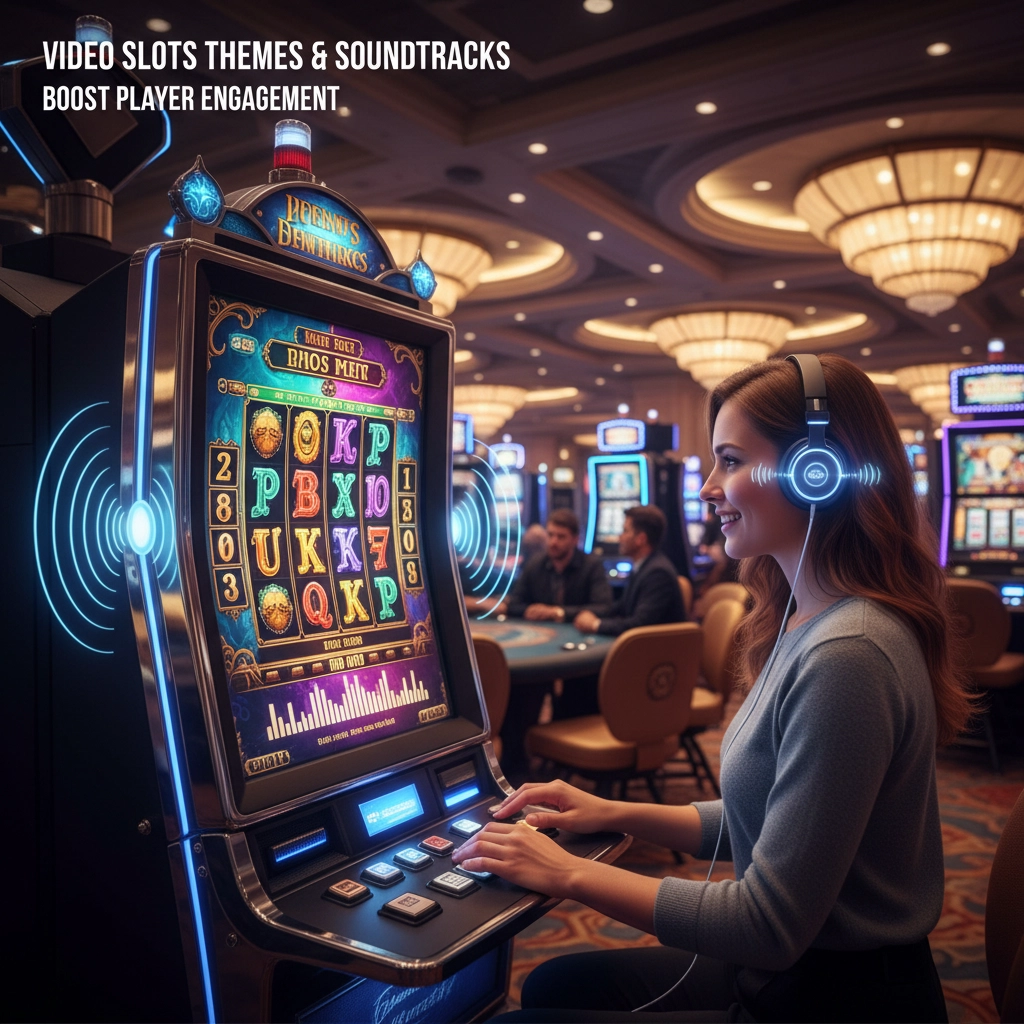
One of the clearest ways theme and technology intersect in 2026 is through adaptive presentation layers. Modern slots don’t just slap a soundtrack under spinning reels — they use dynamic audio and visuals to react to your progress. Music swells when you’re close to a big bonus, environmental soundscapes change as you move through map-based regions, and spatial audio cues highlight winning patterns or hidden triggers. For you as a player, these systems reduce the cognitive load of tracking mechanics and make each win — or near-miss — feel narratively meaningful.
Underneath the polish, game math has grown more sophisticated. Studios tune hit frequency and win distribution across volatility tiers so titles maintain a promised RTP while offering very different session rhythms. That means a high-volatility fantasy epic might deliver rare, headline-making jackpots, whereas a pop-culture “episodic” slot doles out smaller narrative rewards more frequently to keep momentum. Some developers also employ hybrid RNG architectures: server-side calculations ensure fairness and auditability, while client-side or session-level pacing mechanisms smooth bonus timing for a better player experience. Importantly, regulations still require transparent RTP and provable fairness — these innovations optimize how and when you see outcomes, not the underlying fairness of the math.
Social mechanics, live events and community-driven progression
Slots in 2026 are increasingly social platforms. Beyond leaderboards and chat, you’ll encounter cooperative boss fights, guild-style progression, and time-limited live events that tie into broader IP narratives. Imagine joining a weekend raid in a treasure-hunt adventure slot where every player contribution pushes the community toward a shared jackpot or unlocks a themed cinematic episode. These mechanics turn solitary spins into coordinated sessions and make retention a social experience.
Tournaments remain a staple, but they’ve evolved. Developers pair ranked ladders with cosmetic rewards and seasonal meta-goals that persist across titles — so climbing a pop-culture season ladder might unlock skins or music tracks usable in other games from the same studio. Streaming and watch-party features are also baked in: synchronized bonus rounds let streamers host co-play sessions where viewers influence outcomes through polls or micro-bets, deepening cross-platform engagement.
Personalization, cross-platform continuity and ethical design
Personalization is no longer limited to recommended titles. Contemporary slots adapt UI, rewards and even difficulty to your play profile while syncing inventories and progress across devices — desktop, mobile and increasingly VR. That continuity means your cosmetic loot, seasonal passes and map progress follow you, so a short session on your phone can still feel meaningful within a longer campaign.
At the same time, the industry has amplified responsible design. Expect built-in reality checks, customizable session reminders, and easily accessible limit-setting tools as standard. Regulators and platforms push for clearer odds displays and better behavioral safeguards, so studios balance engagement with ethical protections. In practice, that means the most successful themes of 2026 are those that entertain without exploiting — combining cinematic hooks, social systems and transparent mechanics to keep you playing longer because you want to, not because you got trapped in an opaque feedback loop.
Studios and licensors are already experimenting with hybrid monetization models that reward long-term engagement without leaning solely on wagering. Expect more licensed properties to adopt episodic releases and cross-title progression — a model that benefits IP holders, developers and players alike by turning slots into living entertainment platforms rather than one-off experiences.
The next chapter for themed slots
As technology, licensing and player expectations continue to converge, themed slots will increasingly act like interactive episodes of larger franchises. That means creative fidelity to source material, stronger player agency, and ethical product design will be the differentiators between fleeting hits and enduring franchises. For players, the payoff is richer, more social sessions; for operators and regulators, it’s a call to keep transparency and safety front and center. For up-to-date guidance on responsible play and regulation, consult responsible gaming resources.
Frequently Asked Questions
Which slot themes are most popular in 2026?
Pop culture tie-ins (TV, movies, music), high-production fantasy epics, and exploration/adventure map-based slots dominate. These themes pair well with adaptive audio/visual systems, episodic storytelling and social mechanics that keep players engaged across sessions.
Are modern themed slots fair and transparent?
Yes—regulated operators use provable RNG systems and publish RTPs. Many studios combine server-side randomness with client-side pacing to improve experience while maintaining audited fairness. Regulators also push clearer odds displays and mandatory responsible-play features.
How do social and cross-platform features affect player safety?
Social features increase engagement but can amplify risky behavior if unchecked. The industry response in 2026 has been to embed reality checks, customizable limits and session reminders across platforms, so community-driven play can coexist with effective harm-minimization tools.