Why modern slots are the backbone of today’s casino floor and online lobbies
You’ve probably noticed how slot machines dominate both land-based casinos and online casinos. Modern slots aren’t just upgraded versions of the three-reel machines your grandparents remember — they’re designed to catch your attention, keep you engaged, and offer many paths to winning. Understanding why modern slots are so popular helps you make better choices about which games to play and how to manage your bankroll.
At their core, modern slots combine technology, psychology, and entertainment. Developers use high-quality art, immersive soundtracks, and complex payout mechanics to create an experience that goes beyond spinning reels. For you as a player, this means new ways to win, more ways to be entertained, and clearer design choices to match your preferences — whether you want simple spins or deep interactive bonus rounds.
Key features that distinguish modern slots from classic machines
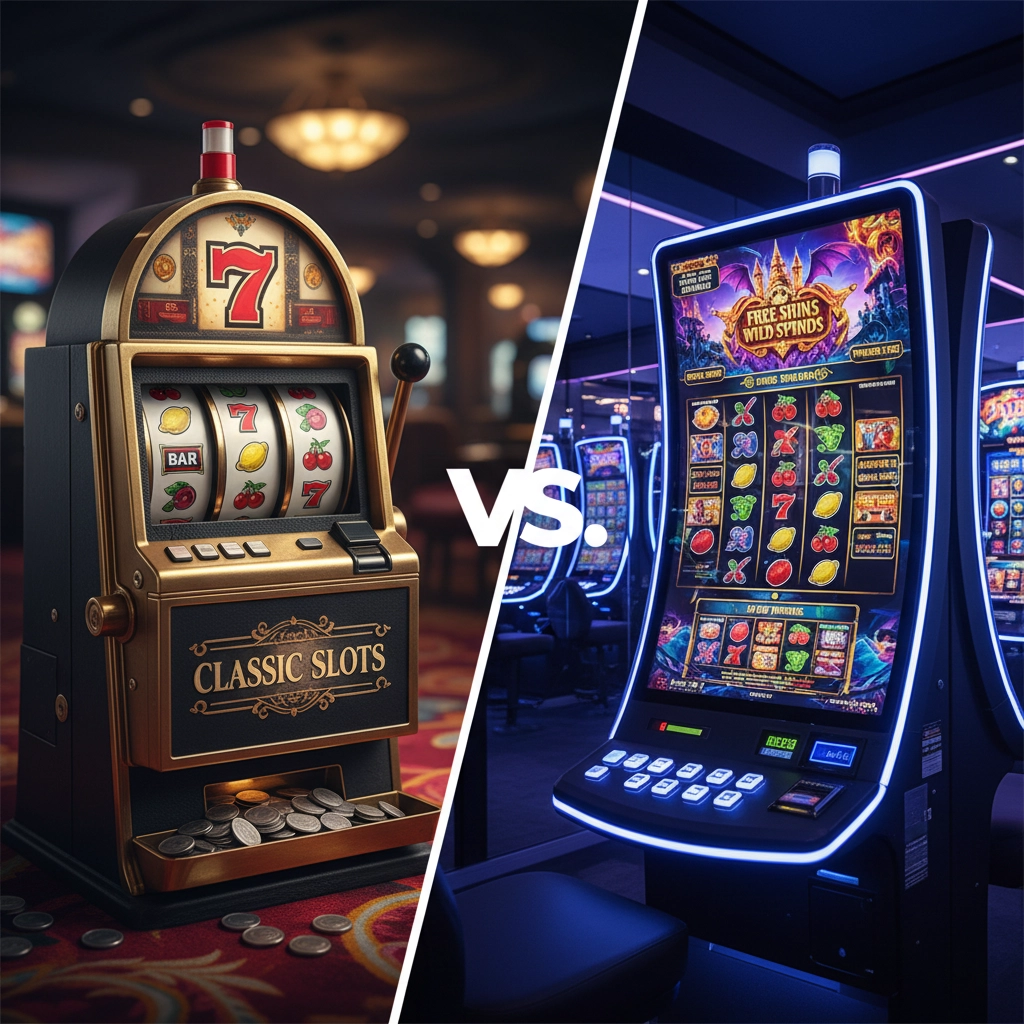
When you compare a modern slot to a classic one, several technical and design differences stand out. These features change how the game plays and how you should approach it:
- Random Number Generator (RNG): Modern slots use certified RNGs to determine outcomes, ensuring fairness and unpredictability on every spin.
- Multiple paylines and ways to win: Instead of a single horizontal payline, modern games can offer dozens, hundreds or thousands of ways to win — including “243 ways” and “ways-pay” systems.
- Bonus features and mini-games: Free spins, pick-and-click bonuses, cascading reels, and interactive story-driven rounds are common. These features add volatility and often boost excitement and potential payouts.
- Variable volatility and RTP: You can choose higher-volatility slots for big but rare wins, or low-volatility slots for frequent smaller wins. Return-to-player (RTP) percentages vary by title and influence long-term expected returns.
- Progressive jackpots and pooled prizes: Many modern slots link machines or online instances to grow shared jackpots, creating life-changing win potential that classic slots rarely offered.
- Mobile-first design and cross-platform play: Modern titles are optimized for phones and tablets; you can switch devices without losing functionality or visual fidelity.
- Advanced visuals and audio: High-resolution graphics, cinematic cutscenes, and dynamic sound design turn spins into a multimedia experience.
How themes and storytelling change the way you play
Themes are no longer just surface decoration. Developers weave narratives, licensed IP (movies, TV, bands), and character-driven arcs into gameplay. When you play a themed slot, the mechanics often reinforce the story — for example, unlocking a character’s skill might trigger a particular bonus round. That means your emotional investment can grow alongside real in-game progression.
Some themes also affect practical choices: branded slots may feature higher volatility and bigger jackpots, while casual, cartoon-style games often favor frequent small wins. Knowing how theme and mechanics interact helps you pick slots that match your mood and bankroll.
Next, you’ll learn how these modern mechanics differ specifically from classic slot mechanics — including reel layout, payout structure, and how house edge is expressed — and how to apply that knowledge when choosing games to play.
How reel layout, virtual reels, and symbol weighting change outcomes
One of the clearest technical differences between modern and classic slots shows up in the reels themselves. Classic machines used three physical reels with a small, fixed set of symbols — each symbol occupied a fixed number of stops, so the odds were straightforward to calculate (for hobbyists who loved math). Modern video slots, even when they display five reels and 20 visible symbols, virtually map those visible positions to a much larger set of “virtual stops.” That matters for two reasons.
First, virtual reels let designers weight symbols. A high-paying icon might only occupy a few virtual stops, while low-paying symbols appear on many more. That creates large discrepancies between the apparent on-screen frequency of a symbol and its true probability of landing in a winning position. Second, the number of possible combinations explodes. A simple comparison: three mechanical reels with 10 symbols each create 1,000 combinations; a 5×3 modern slot with 20 virtual stops per reel produces 3.2 million possible outcomes. The Random Number Generator (RNG) still determines the spin, but the RNG references the virtual reel mapping to produce results — so two visually identical symbols can have very different odds.
Modern features like cascading reels, tumbling symbols, or expanding wilds further change outcome dynamics. Cascades remove symbols and drop new ones into place, allowing multiple wins from a single spin and altering hit frequency profiles. Paylines and “ways to win” systems (243 ways, 1024 ways, or pay-anywhere systems) also mask the underlying probabilities, because a win no longer depends on a single horizontal line but on matched symbols across adjacent reels. In short: the display you see is a polished interface; the real math lives in the virtual reel map and the RNG.
Reading paytables, RTP, volatility and using them when you pick a game
If the mechanics above sound opaque, the paytable and the game info screen are your best friends. The paytable shows each symbol’s payout, bonus triggers, free-spin rules, and special feature behavior. That lets you compare how much a particular symbol combo pays versus how often it’s likely to appear. The info screen may also disclose hit frequency or average payout amounts for features — useful context when it’s available.
RTP (return to player) is the long-term percentage a game is designed to return; house edge is simply 100% minus RTP. But RTP is theoretical over millions of spins — your short session can vary wildly. Volatility (or variance) tells you how that RTP is distributed: high-volatility games pay less often but offer bigger top prizes; low-volatility games pay small amounts more consistently. Match volatility to your goals: choose low volatility and higher hit frequency for steady play and bankroll longevity; choose high volatility if you’re chasing big jackpots and can accept long losing stretches.
Practical tips:
– Always open the paytable before you start spinning. Know what triggers free spins and which symbols are weighted as wilds or scatters.
– Check the game or casino for published RTP. Regulated sites typically list RTP in the game details.
– Adjust bet size to volatility and bankroll: smaller bets for high-volatility slots preserve your session length; increasing bet size makes sense only if you can absorb longer dry spells.
– Use demo mode to experience feature frequency without risking money.
– Be cautious with “max bet” requirements for certain bonuses — they can dramatically increase cost per spin.
Understanding these mechanics helps you move beyond aesthetics and hype, letting you choose slots that actually match your play style and financial limits.
Mobile, social and tournament trends
Most modern slots are designed first for mobile play, which affects interface choices (touch controls, shorter sessions) and feature pacing. Social mechanics—leaderboards, missions, and shared bonus rounds—blur the line between solo slots and social games, while tournaments and timed challenges emphasize short-term strategy over long-term variance. If you enjoy competition or community, look for games and platforms that support these modes; if you prefer a solitary experience, stick with traditional single-player modes and classic payline structures.
Playing smart in the modern era
Modern slots offer more variety than ever: richer themes, complex features, and technical tweaks that change how wins feel and how often they happen. The best approach is practical — use demo modes to learn features, read the paytable and RTP when available, size your bets to match volatility, and set strict time and loss limits to protect your bankroll. If gambling stops being fun, seek help or take a break; many sites link to responsible gambling resources and tools to self-exclude or set limits.
Frequently Asked Questions
How do virtual reels and symbol weighting change my chances of winning?
Virtual reels map visible symbols to a larger set of stops, and weighting lets designers place high-paying symbols on fewer stops. That means two identical-looking symbols on screen can have very different probabilities of landing in a winning position — the apparent on-screen frequency isn’t the same as true hit probability.
What is RTP versus volatility, and which should I care about?
RTP (return to player) is the theoretical long-term percentage a game returns to players; volatility (variance) describes the distribution of payouts — how often and how big wins tend to be. Both matter: RTP sets the overall expectation, while volatility tells you whether you’ll see frequent small wins or rare large ones. Match both to your goals and bankroll.
Can I improve my results by choosing certain features or bet sizes?
You can’t change the RNG, but you can affect session outcomes and enjoyment. Choosing games with features you understand, using demo mode to learn feature frequency, adjusting bet size to fit volatility, and avoiding mandatory max-bet bonus traps will help you manage risk and extend playtime — even though the long-term odds remain unchanged.