
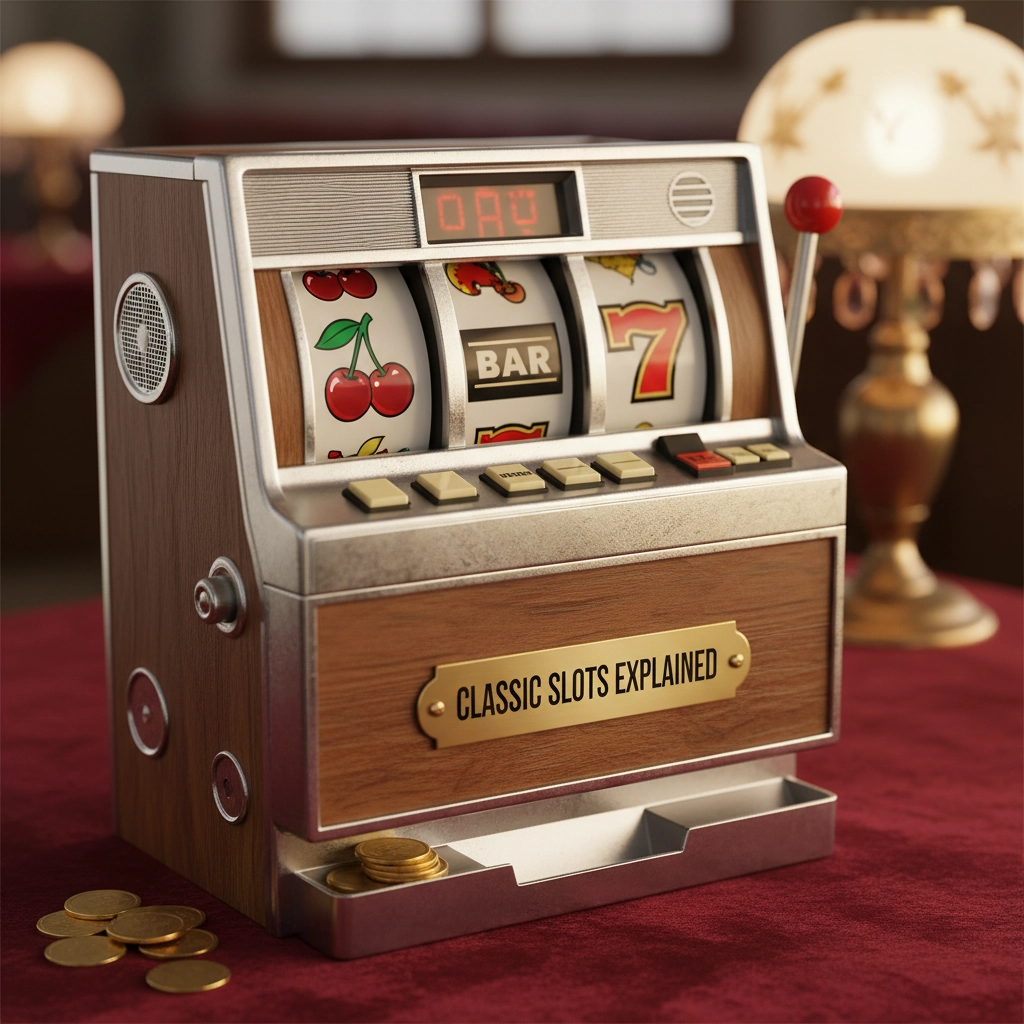
Why classic slot symbols still shape what you see on the reels
You probably notice the same cherries, BARs and sevens every time you open a retro-style slot game. Those icons aren’t just decorative: they carry meaning, set player expectations, and connect modern gameplay to the mechanical slot machines of the past. Understanding these symbols helps you read paytables faster, appreciate design choices, and spot how modern slots reinterpret old conventions.
When you learn the visual language of classic slots, you’ll find it easier to compare games and decide which ones match your playstyle. This section explains the origins and core functions of the three most iconic symbols so you can recognize their purpose at a glance.
Where these symbols came from and why they lasted
Early mechanical slot machines needed simple, clear imagery that could be stamped onto metal reels. The cherry was an obvious, colorful choice from fruit machines, while the BAR symbol originally emerged from the Bell-Fruit Gum Company logo and later became a generic pay symbol. The red seven evolved into an emblem of luck and high value. Because these symbols were visually distinct and easy to manufacture, they persisted as the industry moved from mechanical to digital.
As you interact with modern slots, you’ll notice developers keep these symbols for nostalgia and recognition value. They also serve functional roles: quick visual cues on reels, consistent placement in paytables, and easy-to-understand hierarchy for payouts.
Spotting the Cherry, BAR and Lucky 7: what they look like and how they act
To make smart choices about which classic-themed slot to play, you should know the typical behavior of each symbol type. Below is a practical guide to what each icon usually represents and how it interacts with paylines and bonus features.
- Cherry: Often a low-value symbol, cherries can pay when they appear even partially on a single payline in older machines. In video slots, cherries may still reward smaller wins or trigger simple multipliers. You’ll frequently see single or double-cherry graphics indicating different small prizes.
- BAR: BAR symbols come in single, double and triple varieties in many classic games. Each version usually corresponds to a different payout tier. BARs act as mid-range symbols and are often combined with other BARs to form winning lines. Their logo-derived origin makes them a staple of classic paytables.
- Seven (7): The red 7 is typically the highest-paying standard symbol in classic slots. Three sevens on a payline often award one of the biggest base-game payouts. Sevens may also be used as special markers that trigger jackpots or bonus rounds in hybrid games that blend retro style with modern mechanics.
Knowing these patterns makes it easier for you to scan a paytable and anticipate likely payout combinations. In the next section you’ll explore how paytables and payout structures assign value to these symbols, plus common variations you’ll encounter in modern slot titles.
How paytables assign value to cherries, BARs and 7s
When you open a slot’s paytable, the hierarchy of symbols is usually obvious: cherries at the bottom, BARs in the middle, and sevens near the top. But how those values are assigned depends on several clear mechanics developers use to balance gameplay.
First, payouts scale with rarity. If a symbol appears frequently on the reels (like a single cherry), its per-hit payout will be low. Conversely, a visually striking symbol such as a red 7 appears less often and therefore pays substantially more when it lines up. Paytables translate that rarity into concrete multipliers or coin values — for example, three cherries might pay 2–10× your stake on a three-reel game, whereas three sevens could pay 100× or more.
Second, variations within symbol families affect value. BARs are a good example: single, double and triple BARs are treated as distinct symbols with ascending payouts. Some games also allow mixed-BAR wins (single + double + triple), which pay a mid-tier prize. Read the fine print: the paytable will show whether mixed BAR combinations are eligible and how much they return.
Finally, classic symbols can have special behaviors listed on the paytable. Older machines paid for partial appearances (a solitary cherry on any reel), and many retro-styled video slots mimic that rule for nostalgia — you’ll see “any position” payouts noted. Other common notes include stacked-symbol behavior (multiple identical symbols occupying an entire reel increase win chances) and whether a seven triggers a progressive jackpot or bonus round.
Common variations and modern reinterpretations you’ll encounter
Modern developers often keep the classic aesthetic while adding features that change how these symbols behave. Here are the variations you’ll most frequently see:
- Stacked symbols: Cherries, BARs or sevens can appear stacked to increase hit frequency on multi-line slots. A stacked reel full of BARs can turn a modest payout into a board-wide win.
- Wilds and substitutes: In hybrid retro slots, wilds might take the form of a golden 7 or a stylized BAR and substitute for other symbols to complete paylines, boosting the utility of classic icons.
- Multipliers: Cherries or sevens sometimes come with multipliers attached (e.g., 2× or 3×) that amplify the line win when they participate, changing expected value calculations.
- Mini-jackpots and progressive links: Sevens are commonly tied to fixed mini-jackpots or contribute to progressive pools. The paytable will indicate whether a seven combination qualifies for these prizes.
These reinterpretations let designers preserve the recognizable look of cherries, BARs and sevens while delivering fresh risk/reward profiles and features that appeal to modern players.
Using symbol knowledge to compare games quickly
If you want to choose between several classic-themed slots, use symbol behavior as a quick filter. Scan the paytable for these clues: the top single-line payouts (is it the sevens?), whether BAR mixes pay, any “any position” cherry rules, and special symbol roles like wilds or jackpot triggers. Combine that with volatility and RTP info — a game where sevens pay enormous sums but rarely appear is high volatility; frequent small cherry payouts point to low volatility.
Armed with this understanding, you can match a slot’s pace to your bankroll and play goals: hunt for jackpot-linked sevens if you accept larger swings, or pick games emphasizing cherries and mixed BARs for steadier returns.
Putting classic symbols into play
Classic slot icons are more than decorative — they’re the building blocks of how a game pays and how it feels to play. Before you spin, check the paytable and volatility so those cherries, BARs and sevens work with your bankroll and goals. If you want guidance on safe play or setting limits, see GambleAware for resources and tools.
Frequently Asked Questions
Are cherries always the lowest-paying symbol?
Generally, yes: cherries are typically common and pay smaller amounts, but rules vary by game. Some retro-style slots pay for lone cherries “any position,” or attach small multipliers, so always check the paytable for exact values.
Can different BAR symbols combine to form a win?
Many slots treat single, double and triple BARs as distinct symbols, and some allow mixed-BAR wins (e.g., single + double + triple) with a mid-tier payout. The paytable will specify whether mixed combinations count and what they pay.
Do sevens always trigger jackpots or bonuses?
No—sevens are often high-paying and sometimes linked to mini-jackpots or progressive pools, but not universally. Whether a seven triggers a jackpot or bonus is defined in the game’s paytable and feature descriptions.