Why retro 3-reel slots still capture your imagination
You’ve probably noticed that, even in a sea of video slots with dozens of paylines and animated bonus rounds, players still gravitate toward the simple 3-reel games. Those old-school machines trigger an immediate sense of familiarity: the mechanical spin, the classic bell and BAR symbols, and the satisfying clink when reels line up. Understanding that pull helps you see why these games remain a staple on casino floors and online lobbies.
This section explains the essential appeal of classic slots and sets the stage for a deeper look into their mechanics, design cues, and cultural role. You’ll learn how design simplicity and sensory memory combine to create a gaming experience that feels both accessible and emotionally resonant.
What makes a 3-reel slot classic: mechanics, visuals, and pace
Simple mechanics that keep you focused
At the heart of every classic 3-reel slot is an uncomplicated rule set: typically one payline, a small set of symbols, and straightforward payout combinations. Because you don’t need to manage multiple paylines or complex bonus triggers, you can make decisions faster and play more intuitively. If you’re new to slots or returning after a long break, that low entry barrier is a key reason you’ll pick a retro game over a modern title.
Visual language and sensory cues
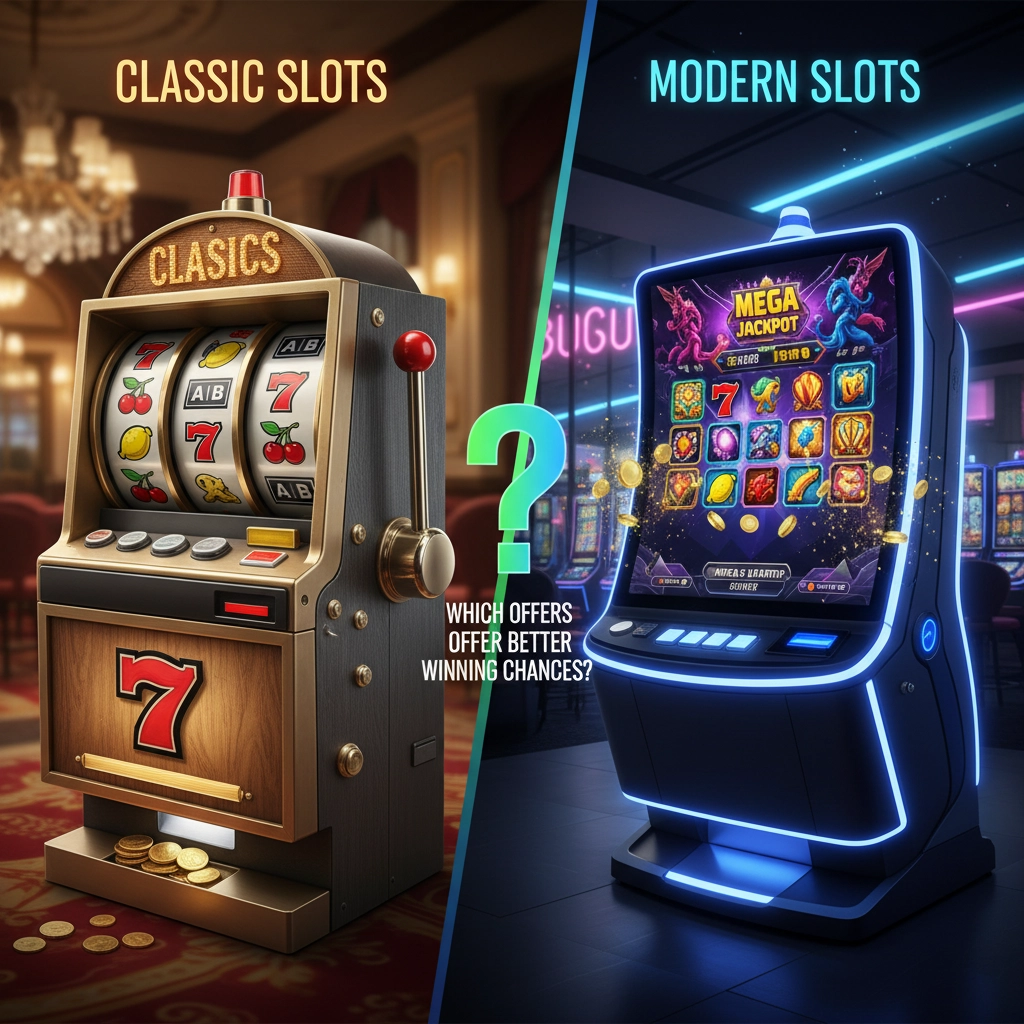
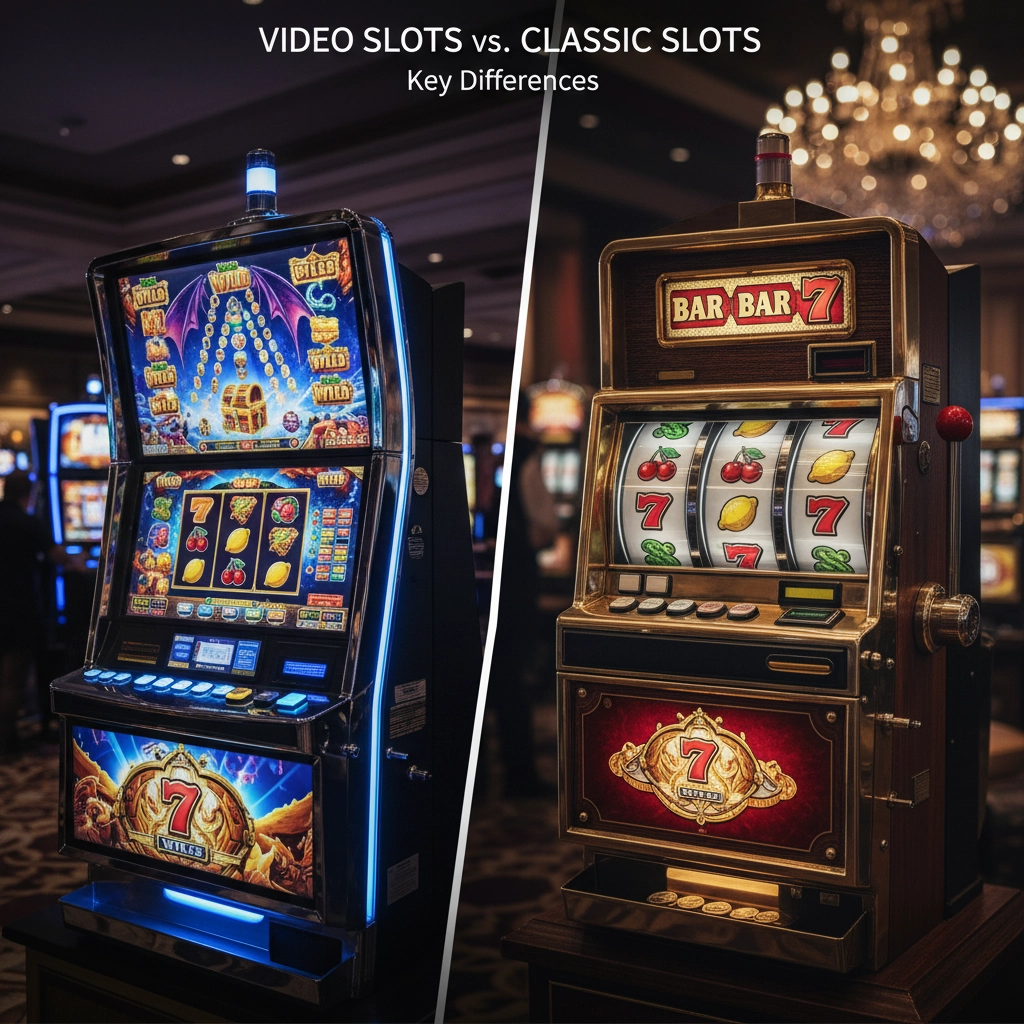
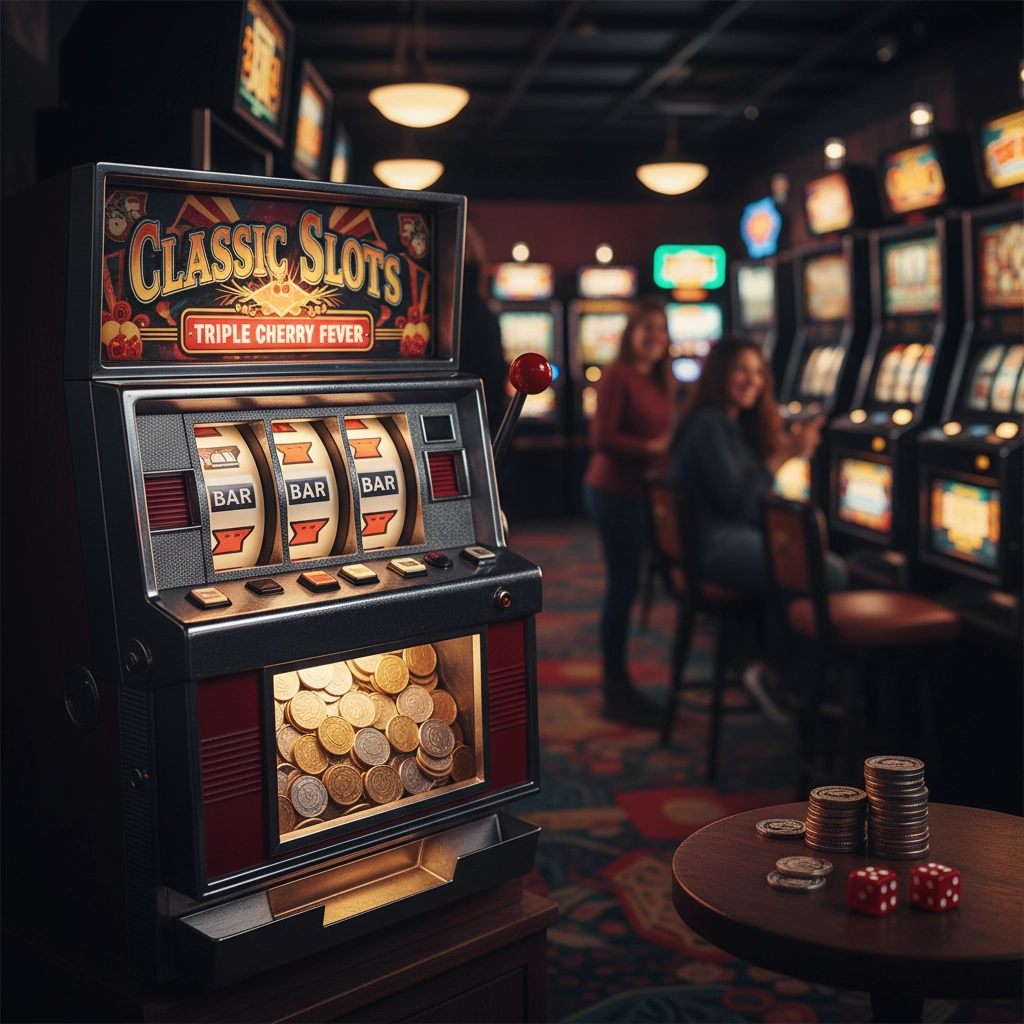
Classic slots use a visual vocabulary that is instantly readable. You’ll see fruit, bells, sevens, and BARs—symbols that have been visually encoded into slot culture for decades. That visual shorthand shortens the learning curve: you don’t have to analyze the screen to know what winning looks like. Designers also rely on tactile and audio cues—mechanical click-clacks, coin drop sounds, and brief celebratory jingles—which trigger strong associative memories and can heighten the perception of reward.
Pace and reward structure
The tempo of 3-reel play is another defining trait. Spins are quick, outcomes are immediate, and wins—though typically smaller—are frequent enough to sustain excitement. This rhythm suits players who prefer steady engagement over the delayed gratification of long bonus sequences. If you value predictability and a compact play session, these classical pacing elements will likely appeal to you.
- Fewer symbols and paylines make outcomes easy to interpret.
- Audio-visual feedback reinforces memory and emotional response.
- Faster spin cycles create a sense of momentum and continual reward.
Now that you understand the foundational mechanics and sensory design that define classic 3-reel slots, the next part will explore the psychological pull of nostalgia and how modern operators use it to keep retro games relevant to today’s players.
The psychology of nostalgia: why memories matter
Nostalgia isn’t just a sentimental feeling—it’s a potent psychological driver that shapes how people choose to spend their leisure time and money. For many players, retro 3-reel slots act like a time machine: the sight of a single-row payline, the chime of a bell, or the image of a juicy fruit symbol can instantly transport them back to first visits to arcades or smoky casino floors. That associative memory turns a simple spin into an emotionally meaningful moment.
On a cognitive level, familiar stimuli reduce decision friction. When you recognize symbols and outcomes instantly, your brain spends less energy interpreting the game and more on the hedonic experience of play. That ease feels rewarding in itself—especially when combined with intermittent reinforcement. Because 3-reel slots typically deliver quick, frequent outcomes, the brain forms rapid feedback loops; small wins produce brief dopamine spikes, and the classic aesthetic amplifies the perceived significance of those spikes by tying them to personal and cultural memories.
Nostalgia also plays into identity and social belonging. Older players may see classic slots as continuity with their past, while younger players might romanticize the “vintage” look as part of retro culture. Either way, the emotional resonance is stronger than it would be for a themeless machine, making retro slots a reliable way to foster loyalty. In short: nostalgia reduces cognitive load, heightens emotional reward, and connects play to personal narratives—three reasons why those clinking reels keep drawing people back.
How modern operators keep retro games relevant
Operators know nostalgia is marketable, so they design strategies to surface and sustain retro appeal across platforms. In physical casinos, classic machines are often clustered in dedicated “vintage” sections or mixed into high-traffic areas to attract both veterans and curious newcomers. Online, operators curate retro categories, highlight remastered classics, and use targeted promotions—free spins on classic titles, nostalgia-themed tournaments, or anniversary events—to bring players back.
Modern analytics play a big role: operators track which classic titles generate the most engagement, which demographics play them, and how often players convert from a retro game to other offerings. That data informs cross-promotions, loyalty rewards, and UX tweaks. For example, a player who spends long sessions on 3-reel games might be presented with low-variance video slots or value-forward promotions that suit their play style.
Another tactic is storytelling and branding. Operators and studios package retro titles with histories—“the original fruit-slot remastered”—that give games authenticity and marketing traction. Influencer content and live-streamed play-throughs also expose classic mechanics to younger audiences who might otherwise skip them. The net result is that classic slots aren’t just preserved as curiosities; they’re actively integrated into retention and acquisition strategies.
Designing for authenticity: balancing vintage look with modern tech
Keeping the retro feel while meeting modern expectations is a design challenge. Successful remasters maintain iconography—the BARs, sevens, and fruits—and the pared-back paytable, but they polish the experience with modern conveniences: clear bet controls, adjustable spin speed, mobile-first layouts, and transparent RTP information. Audio designers recreate mechanical clicks and coin drops with higher fidelity, so the sensory cues still trigger emotion without feeling dated or tinny.
On the backend, developers ensure RNG fairness, compliance, and accessibility. Many modern 3-reel titles let players toggle features like autoplay or speed spins, yet preserve a single-payline core so the pacing remains true to the original. Some hybrids add optional minigames or side bets that don’t intrude on the classic play loop—offering a bridge between purists and players who expect modern features.
That careful blend—authentic visuals and sounds, modern usability, and compliant, transparent mechanics—is why retro slots can feel both comfortingly old and perfectly at home in today’s gaming landscape.
Why the retro experience still matters
Retro 3-reel slots are less a genre frozen in time than a design philosophy that prioritizes clarity, ritual, and emotion. As players seek both comfort and simplicity, studios and operators will continue to preserve those sensory cues while layering in modern conveniences and protections. For readers curious about the broader role of nostalgia in behavior, this research on nostalgia offers useful context for why familiar experiences hold such sway.
Expect the classic slot to remain a living category: preserved aesthetics, transparent mechanics, and tailored promotions will keep these games relevant across generations. At the same time, responsible play frameworks and regulatory oversight ensure that the emotional appeal of nostalgia is balanced with player safety and fairness.
Frequently Asked Questions
Why do players feel nostalgic about classic 3-reel slots?
Players associate the visual and audio cues—fruit symbols, bells, mechanical clicks—with early gaming memories and social experiences. Those familiar signals reduce cognitive load and make play feel comforting, which strengthens enjoyment and loyalty.
Can I find authentic 3-reel slots online or on mobile?
Yes. Many studios remaster classic titles for digital platforms, keeping single-line mechanics and vintage iconography while adding modern usability (adjustable spin speed, clear bet controls) and compliance features like transparent RTP and RNG certification.
How do casinos and operators keep retro slots appealing to new audiences?
Operators use curated categories, targeted promotions, storytelling about a game’s heritage, and analytics-driven cross-promotions. They may also host nostalgia-themed events or showcase remasters in discovery feeds to introduce younger players to the classic experience.