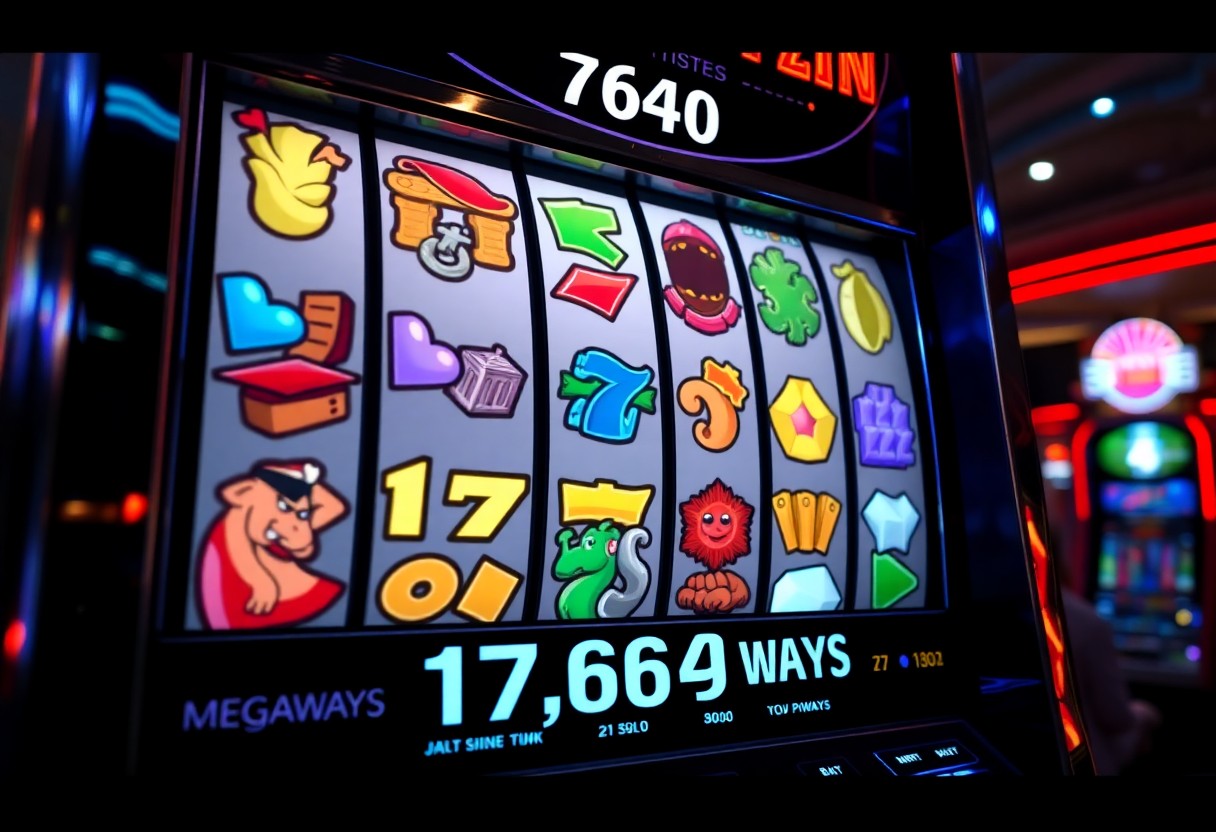

Personality drives your slot choices: analytical players favor strategy-driven mechanics while risk-takers chase big jackpots; understanding volatility and RTP is necessary to align play with goals. Choose themes that sustain engagement and avoid games that encourage overplay; high-volatility slots can be dangerous for impulse play while low-volatility, high-RTP games offer steadier returns. Use bankroll rules and tempo to keep entertainment sustainable.
Understanding Slot Themes
Themes shape mechanics and player expectations: Egyptian slots often include expanding symbols and free-spin retriggers, adventure titles use tumbling reels and level progression, while branded/movie slots invest in cinematics that can affect margins and RTP. Players chasing big payouts tend toward progressive jackpots, which deliver multi‑million wins but come with high variance and long dry spells.
Popular Types of Slot Themes
- Classic/Fruit – 3‑reel simplicity, low volatility, steady small wins ideal for short sessions.
- Egyptian/Ancient – narrative bonuses and expanding symbols; e.g., “Book of Ra” variants with medium‑to‑high variance.
- Adventure/Exploration – tumbling reels and progression systems; e.g., “Gonzo’s Quest” (NetEnt, 2010).
- Fantasy/Mythology – character abilities, cluster pays, frequently higher volatility.
- Branded/Movies – high production values and licensed content; immersive but can show lower RTP.
This helps match mechanics and risk profiles to player tastes.
| Classic/Fruit | Simple paylines, low variance, appeals to casual, time‑limited players |
| Egyptian/Ancient | Expanding symbols/free spins, medium‑to‑high variance, narrative seekers |
| Adventure/Exploration | Tumbling reels/level bonuses (e.g., Gonzo’s Quest), suited to explorers |
| Branded/Movies | High audiovisuals, licensing costs may reduce RTP, attracts fans of IP |
| Progressive/Jackpot | Networked jackpots, rare huge wins, favored by high‑risk players |
How Themes Relate to Player Personalities
Risk‑averse players gravitate to low variance classics for frequent small returns; thrill‑seekers target progressives and high‑volatility fantasy slots for chance of large payouts; narrative lovers prefer adventure or mythology titles with layered bonuses; social players pick branded slots for familiarity and spectacle.
Practical mapping: try 100-200 free spins to assess hit frequency, check published RTP and volatility tags, and match session length-short sessions favor low variance, longer sessions tolerate high variance when chasing big wins.
Types of Slot Games
| Classic Slots | 3 reels, 1-5 paylines, simple payouts |
| Video Slots | 5 reels, 10-50+ paylines, features like free spins |
| Progressive Jackpot Slots | pooled jackpots growing until won; massive top prizes |
| 3D Slots | cinematic graphics, story-driven bonus rounds |
| Megaways / Cluster | dynamic reels, up to 117,649 ways or cluster pays |
- Classic Slots
- Video Slots
- Progressive Jackpot Slots
- 3D Slots
- Megaways / Cluster
Across casinos you’ll encounter machines with varying RTP (typically 92-98%), reel counts from 3 to 6+, and volatility ranging low to very high; some video slots offer over 1000 virtual paylines or cluster mechanics, while progressives pool bets into multi-million-dollar prizes, and Megaways can produce up to 117,649 ways. This helps you match mechanics and risk profile to your personality.
Classic Slots
Simple 3-reel machines emphasize straightforward play: most have 1-5 paylines, symbols like BARs and cherries, and low volatility that produces frequent small wins; typical RTP sits around 92-95%, making them ideal for players who prefer predictability and shorter sessions rather than feature-rich complexity.
Video Slots
Modern 5-reel video slots combine audiovisual themes with bonus mechanics-free spins, expanding wilds, pick‑and‑click rounds-RTP commonly ranges 94-97%; branded titles such as NetEnt’s Gonzo’s Quest or Microgaming’s Jurassic Park pair storytelling with variable volatility, appealing to players who value engagement and strategic feature play.
Many video slots use cluster pays or Megaways engines: examples include Big Time Gaming titles with up to 117,649 ways and NetEnt games using avalanche mechanics; developers optimize for HTML5 mobile, and volatility choices let analytical players target higher RTP or thrill-seekers chase larger swings.
Progressive Jackpot Slots
Networked progressives pool a portion of each bet into a growing jackpot that can reach millions-Mega Moolah and Mega Fortune have paid multi‑million payouts-these games display very high variance and often require a max bet to qualify for the top prize, so bankroll management is important for long-term play.
Progressives split into local (casino-specific) and networked types; the hit rate is extremely low and jackpots can be seeded (initial value), with house edges sometimes slightly higher due to jackpot contributions-players should note tiny odds of a payline win versus the life-changing potential of the top prize.
3D Slots
3D slots focus on cinematic presentation and animated characters-providers like Betsoft deliver story-driven bonus rounds and layered animations that increase immersion; RTP typically falls between 92-96%, and the visual depth often extends session length due to narrative hooks and interactive features.
Technically, 3D titles may demand more processing but are usually optimized for modern mobile devices; designers use character arcs and progressive storytelling to raise engagement, which can lead to extended sessions and higher total wagers per session compared with simpler slot types.
Matching Personality to Game Type
Aligning your playstyle to slot mechanics speeds up satisfaction: analytical players prefer RTP ≥96%, low-to-medium volatility, and multi-payline video slots with strategic bonus choices; thrill-seekers lean toward high volatility, progressive jackpots, and Megaways for big swings; social players choose tournament-enabled or cluster-pay titles with community perks. For example, a 5-reel Egyptian video slot with expanding symbols and retriggers suits collectors who value repeatable objectives and measurable progression.
Factors to Consider
- Volatility – determines swing size and frequency
- RTP – long-term return percentage (aim for ≥96%)
- Paylines/Mechanics – Megaways, clusters, or fixed lines change outcomes
- Bonus Features – free spins, multipliers, pick-and-click impact edge
- Bankroll & Session Length – set stakes to match patience
Knowing which volatility and RTP pair with your bankroll narrows options and reduces mismatches.
Step-by-Step Guide to Choosing
Follow a five-step method: audit bankroll, select volatility to match risk appetite, verify RTP and max payout, trial in demo mode, then set session staking like 1-2% per spin of your bankroll.
Quick Steps
| Step | Action / Example |
|---|---|
| 1 | Assess bankroll – $100 bankroll ⇒ $1-$2 max bet |
| 2 | Pick volatility – steady wins: low/medium; big wins: high |
| 3 | Check RTP – choose ≥96% for long play |
| 4 | Demo 500-1,000 spins – observe hit frequency |
| 5 | Set limits – stop-loss and session cap |
Dig deeper by measuring real behaviour: sample 500-1,000 demo spins to track hit rate, variance, and theoretical RTP deviation; compare bonus-trigger frequency (e.g., free spins every 120-300 spins) and max payout potential versus stake to estimate volatility fit.
Metrics & Measurement
| Metric | How to Measure / Target |
|---|---|
| Sample Size | 500-1,000 demo spins for initial read |
| Hit Frequency | Record average spins between wins (e.g., 8-25) |
| RTP | Prefer ≥96%; note live deviations over samples |
| Bonus Rate | Log triggers per 100 spins (goal: aligns with advertised) |
| Bankroll Rule | Stake ≤1-2% per spin to extend sessions |
Tips for Enhancing Your Slot Experience
Small tweaks to session habits deliver measurable gains: set a timer (30-90 minutes), predefine a stop-loss of 20-30% per session, and focus on slots with a proven RTP and volatility that fits your play style. This disciplined mix of time limits, bet sizing and bonus exploitation boosts enjoyment while reducing long-term losses.
- RTP
- volatility
- bankroll management
- bet sizing
- bonus features
- free spins
- jackpot
- paylines
Budgeting and Bankroll Management
Use unit sizing: bet 0.5-2% of your total bankroll per spin-so a £100 pot suggests £0.50-£2 bets-and target 100-200 spin equivalents per session to smooth variance. Apply a stop-loss (20-30% of the session bankroll) and a win target (cash out at 50-100% profit) to lock in gains; treat these as non-negotiable rules to avoid tilt and depletion.
Game Selection Strategies
Prioritise titles with an RTP of 96%+ when possible and match volatility to your temperament: low volatility for steady payouts, high volatility for larger but rarer wins. Demo 500-1,000 spins to observe hit frequency and bonus triggers, and prefer games where max bet requirements fit your bankroll rather than chasing max-win mechanics beyond your means.
If your bankroll is under ~200 units, stick to low/medium variance to preserve longevity; with 500-1,000+ units you can chase high-variance jackpots because you can absorb long cold runs. Use casino filters to sort by RTP and published volatility, track observed hit rates over at least 500 spins, and lean on demo play to verify bonus frequency-RTP is a long-run metric and short sessions are governed by variance. This alignment of bankroll, volatility and RTP gives you a measurable edge in shaping outcomes and satisfaction.
Pros and Cons of Different Slot Themes
Themes present trade-offs across engagement, volatility and long-term return: Egyptian and mythological slots often use expanding symbols and retriggerable free spins, while branded movie games deliver high production value but sometimes lower RTPs. RTPs typically fall between 92-97%, and volatility varies from low (frequent small wins) to high (rare big wins). Match theme-driven features to your bankroll and session plan to optimize both fun and risk management.
| Pros | Cons |
|---|---|
| Immersive storytelling increases session engagement and retention | Visual overload can drive faster, more impulsive betting |
| Tailored bonus mechanics (free spins, expanding wilds) boost excitement | Bonuses can be rare on high-variance titles (low trigger frequency) |
| Recognizable brands attract promotions and larger prize pools | Licensed games sometimes prioritize aesthetics over optimal RTP |
| Simple themes suit mobile play and quick sessions | Niche themes may lack replayability and community features |
| Audio/visual cues help with pattern recognition and flow | Intense audio/visuals can impair bankroll discipline |
| Theme-consistent mechanics aid strategy (e.g., expanding symbols in Egyptian slots) | Complex mechanics increase learning curve and mistake risk |
| Popular themes often appear in leaderboards and tournaments | Popularity concentrates play, which can shorten jackpot cycles |
| Variety across themes allows targeted bankroll management | High-variance themes can produce long losing streaks, draining small bankrolls |
Advantages of Popular Themes
Popular themes like mythology, adventure and branded movies deliver high-quality graphics, layered bonus rounds and social features, making them more engaging; operators frequently feature these titles in promos and tournaments, increasing visibility and prize liquidity. Many top-chart slots combine multiple mechanics-free spins, pick-and-click bonuses and multipliers-so players experience varied reward paths within a single game, which supports longer, more satisfying sessions when bankrolls and time are managed.
Disadvantages and Considerations
On the downside, high-production themes can mask lower hit-frequency: some high-variance titles trigger meaningful bonuses in under 1-3% of spins, causing long dry spells that hurt small bankrolls. Licensed games may have higher development costs that sometimes reflect in slightly less generous RTPs, and intense audiovisual design can unintentionally encourage faster bet sizes and session creep.
For example, in many high-volatility adventure or branded slots you might see 100-300 spins between significant wins; planning a stop-loss and session timer (30-90 minutes) helps mitigate these swings. Players who prefer steady returns should target themes with frequent small wins and RTPs at the upper end of the 92-97% range, while thrill-seekers can budget for the wider variance of blockbuster titles.
Conclusion
Now that you’ve explored slot themes and types, align your playstyle with games that reward your preferences-risk-takers may prefer high-variance titles with immersive themes, methodical players benefit from low-volatility, strategy-friendly formats, and social personalities will enjoy multiplayer or themed community slots; choosing deliberately enhances enjoyment and long-term satisfaction.
FAQ
Q: How can I choose a slot theme that fits my personality?
A: Consider whether you prefer immersive storytelling, fast-paced action, or simple nostalgia. If you enjoy narratives and exploration, pick fantasy/adventure or mythology themes with animated graphics and multi-stage bonuses. If you like social interaction and pop culture, try branded or community-focused slots with leaderboards and shared features. For a relaxed, methodical experience choose retro or classic fruit machines with straightforward payline structures. Test games in demo mode to gauge whether the visuals, soundtrack, and bonus mechanics keep you engaged before wagering real money.
Q: Which slot types suit risk-takers versus cautious players?
A: Risk-takers often prefer high-volatility games-progressive jackpots, Megaways, and slots with large multipliers or buy-bonus options-because they offer larger but less frequent payouts and big peak thrills. Cautious players should seek low-to-medium volatility titles, classic 3-reel slots or video slots with frequent small wins, higher hit rates, and steady bonus triggers; also prioritize higher RTP percentages. Adjust bet size and session length to align with your risk tolerance: smaller bets for longer play in low-volatility games, larger bets only when you accept bigger swings in high-volatility games.
Q: How do volatility and bonus features align with different play styles and bankrolls?
A: Volatility defines payout cadence-low volatility delivers frequent small wins, high volatility yields rarer large wins. Players who value steady sessions and bankroll preservation should choose low-volatility slots with free spins and smaller multipliers. Patience and thrill-seekers benefit from high-volatility slots with cascading reels, big multipliers, and progressive jackpots. Bonus features (free spins, sticky wilds, re-spins) change variance and engagement: sticky wilds and expanding reels increase win potential but often raise variance; mystery symbols and cascading mechanics create volatile, swingy sessions. Use demo play to match a game’s variance and feature set to your bankroll and patience level, and set loss and win limits to manage play regardless of style.