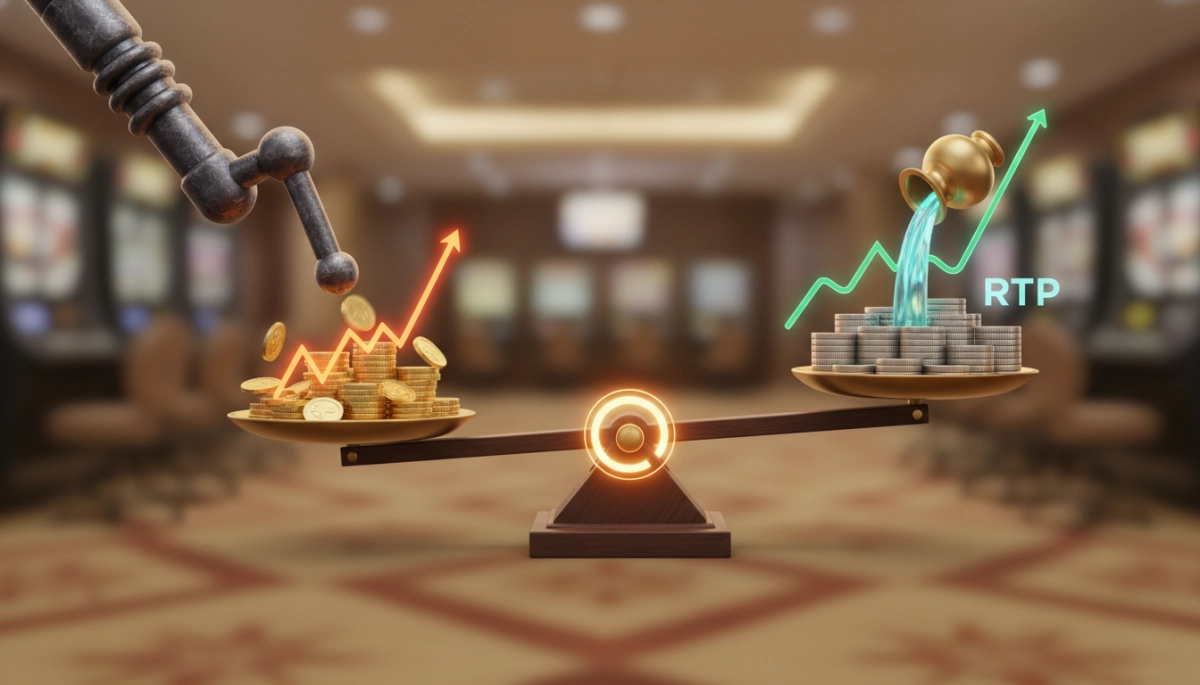

Why understanding multipliers helps you choose where to play slots
When you see a “x2” or “x10” on a slot game, that multiplier can significantly change the size of your payout. You want to know how those numbers are applied, how often they appear, and whether the game is governed by code or mechanical hardware. That context lets you set expectations about volatility, potential returns, and which play strategies make sense. In this first part you’ll get a clear, practical overview of how multipliers are implemented on online versus land‑based machines and why those differences matter to your bankroll and gameplay.
How multipliers affect payouts in online slot games
Online slots rely on software-based systems where multipliers are part of the game’s ruleset and controlled by the random number generator (RNG). Here are the key elements you should know:
- Software-defined triggers: Multipliers can be tied to specific symbols, wilds, bonus rounds, or sequences generated by the RNG. When the RNG produces the required combination, the multiplier is applied automatically.
- Variable multiplier pools: Online developers often include dynamic features such as growing multipliers during free spins or cascading wins. Those values are programmed and can be audited by testing labs.
- Integration with bonus mechanics: Many online titles combine multipliers with free spins, multipliers that stack during consecutive wins, or random multipliers that appear on individual reels. This flexibility creates a wide range of volatility profiles.
- Transparency and auditing: Regulated online casinos and game providers publish RTPs and testing lab certifications, so you can verify how frequently multipliers influence outcomes relative to the stated RTP.
How multipliers operate on land-based slot machines
Land-based machines use a mix of mechanical design and embedded electronics, and while many now also use RNGs inside regulated cabinets, the player experience differs in several practical ways:
- Visible mechanics vs. hidden code: Older mechanical or reel-style slots show physical reels and may use internal weighting schemes; newer cabinets use RNGs but the hardware and payout schedules are set per jurisdiction and machine.
- Preset multiplier events: Multipliers on casino floors are often tied to specific bonus wheels, mechanical features (like physical multipliers on a wheel), or limited bonus rounds that are visible and finite in scope.
- Local regulation and payout limits: Floor machines are subject to local rules on maximum payouts and hit frequency. That can limit how large or how frequently multipliers are applied compared with some online titles.
- Perception and pacing: The physical environment — sound, lighting, and timing — affects how you perceive multiplier events. Land machines may feel slower or less frequent, even when RTPs are similar.
Understanding these operational contrasts helps you interpret multiplier labels and decide how aggressive to be with bet sizing and volatility tolerance. In the next section you’ll explore the underlying technical systems, how RNGs and mechanical weightings create multiplier outcomes, and what that means for strategy and fairness testing.
RNGs, virtual reels and mechanical weightings: how multiplier outcomes are actually generated
At the heart of any multiplier event is the method the machine uses to decide outcomes. Online slots use pseudo-random number generators (PRNGs) that churn out sequences of numbers many times per second. Each spin’s outcome is the result of mapping a PRNG value to a position on a virtual reel strip. Those virtual strips are where developers can place multiplier symbols, weighted icons, or special bonus triggers at whatever frequency the design (and regulator) permits.
That mapping is important: one visible reel position can correspond to multiple virtual stops, so a symbol that looks rare to the eye might be far more common in the machine’s internal mapping. Developers use this to manage hit frequency and multiplier distribution without changing what players see. In contrast, older land-based mechanical reels and early electromechanical machines used physical weighting—fewer physical stops for a high-paying symbol—making rarity literal rather than virtual. Modern land cabinets, however, increasingly use PRNGs and virtual reel strips too, so the line between “mechanical” and “software” is blurred on many floors.
Multiplier application logic also varies. Some games apply multipliers only during dedicated bonus rounds (e.g., free spins where all wins are doubled), others attach multipliers to specific stacked wilds or to random reel multipliers that can land on any spin. Crucially, many online titles separate base-game RTP from bonus-round RTP: a game might advertise an overall RTP but allocate most multiplier value to a bonus feature with its own probability curve. Understanding whether multipliers are embedded in the base spin or reserved for bonus triggers explains why a game can feel “rarely generous” even if its long-term RTP is competitive.
How the technical differences change strategy and bankroll choices
Knowing how multipliers are created lets you adjust bet size, session length, and volatility tolerance. If multipliers mainly live in bonus rounds that are unlikely but large, the game’s variance will be high: expect long losing stretches punctuated by big wins. That calls for smaller stakes and a larger bankroll relative to your typical bet. Conversely, games that use frequent small random multipliers in the base game tend to be lower variance and allow slightly more aggressive staking.
Look at a game’s volatility indicator and paytable to infer multiplier behavior. Games with “stacking” multipliers (multiplyers that combine across reels or consecutive wins) can produce exponential payouts, but they’re also designed to hit rarely. If you’re chasing multiplier-driven jackpots, set stop-loss and stop-win rules and treat those sessions as speculative. If you prefer steady play, pick games that spread multiplier value across base-game mechanics and offer predictable hit frequency.
Fairness checks and practical ways to verify multiplier integrity
Whether online or on the casino floor, you can take concrete steps to verify multipliers behave fairly. For online titles, check for testing-lab certifications (e.g., eCOGRA, iTech Labs, GLI) and an RTP that’s published and consistent across jurisdictions. Reputable providers also offer game rules pages explaining how multipliers are awarded and whether bonus-round outcomes are weighted differently.
On the floor, ask the pit or consult the machine’s help screen. Many jurisdictions require printed payout schedules or visible meters showing recent hit history and payout percentages. While meters don’t predict future spins, they confirm the cabinet’s settings and payout band. Finally, use demo modes and short-session play to learn a game’s feel: take notes on how often multipliers occur, whether they appear in base spins or bonuses, and whether the frequency matches your tolerance for volatility. Those simple checks help you choose machines where multiplier mechanics match your goals and bankroll constraints.
Practical checklist before you play
- Verify the published RTP and look for third‑party certification on the game’s info page.
- Use demo mode to observe how often multipliers and bonus features occur before staking real money.
- Read the paytable and rules to see whether multipliers apply in the base game, bonus rounds, or both.
- Set bankroll limits and session rules (stop‑loss and stop‑win) that match the game’s volatility profile.
- On the casino floor, check the machine’s help screen or ask staff about payout settings and multiplier features.
Putting multiplier knowledge into practice
Use what you’ve learned about how multipliers are implemented to choose games that fit your goals and tolerance for swings: pick titles with frequent small multipliers for steadier play, or reserve high‑variance, bonus‑driven games for speculative sessions. Always prioritize regulated sites and machines that publish RTP and testing information — reputable labs such as Gaming Laboratories International (GLI) audit and certify game fairness. Finally, treat multiplier mechanics as part of the entertainment value: set limits, play within them, and make choices that keep the experience fun and sustainable.