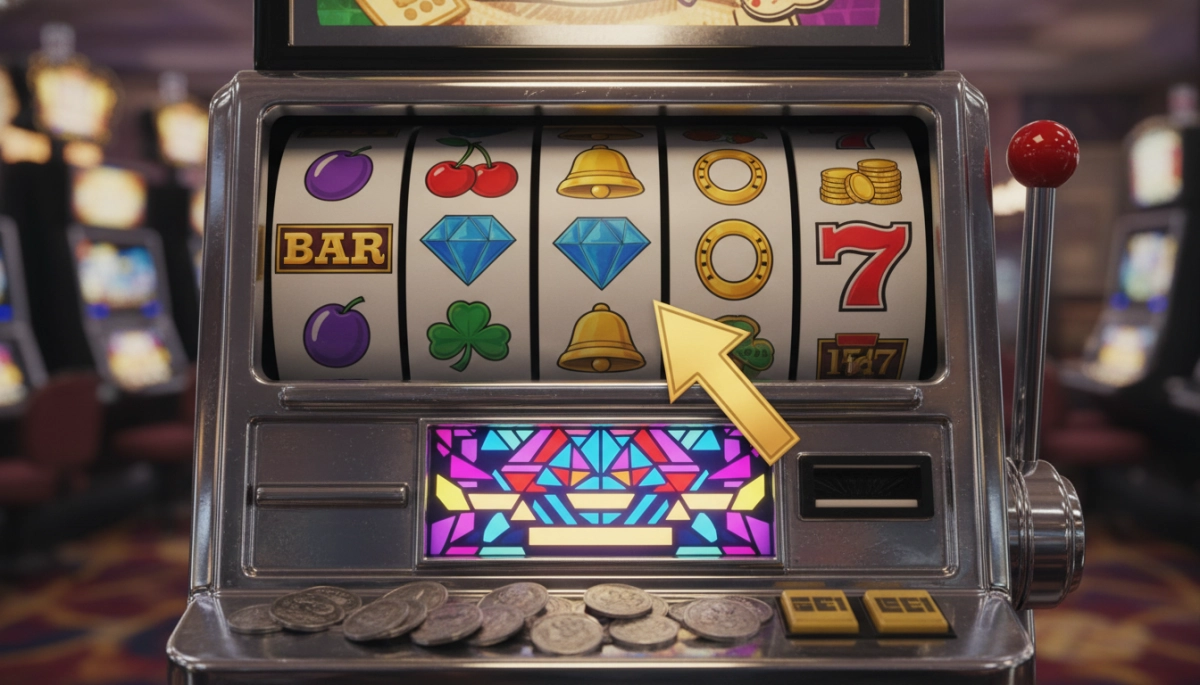

Why slot symbols shape your experience every time you press Spin
When you sit down at a slot — online or in a casino — the symbols on the reels are the language the game uses to communicate value, features, and wins. You don’t just see pictures; you interpret potential payouts, bonus triggers, and volatility clues. Understanding those symbols helps you make better choices about which games to play and how to size your bets.
Symbols evolved as slot technology moved from mechanical machines to digital video slots. That evolution changed not only how symbols look but what they mean for gameplay: classic icons tend to tell you about direct payouts, while video-slot symbols often signal deeper mechanics like free spins, multipliers, or mini-games. Knowing this difference gives you a clearer read on risk and reward before you commit your bankroll.
Classic slot symbols: straightforward, payout-focused icons
Classic slots lean on a small set of recognizable symbols. They make it easy to see a simple payout structure at a glance:
- Cherries and fruit — Often the lowest-value icons, fruit symbols historically paid small wins and sometimes awarded payouts for partial matches.
- Bars (single, double, triple) — Mid-range values that reflect incremental increases in payout based on single/double/triple designations.
- Lucky 7s — Usually the highest-paying regular symbol, the single 7 often triggers the top standard line win.
- Bells — A classic high-value symbol appearing in many of the oldest mechanical games.
Because classic designs use fewer symbols and simpler paylines, the paytable is typically straightforward: matching identical icons across a payline equals a fixed payout. You can easily read potential returns and volatility from the paytable—if the top symbol is rare and pays a lot, expect higher volatility; if many small wins exist, volatility will be lower.
Video slot symbols: narrative, functions, and feature triggers
Video slots expand the symbol vocabulary to support themes and bonus mechanics. Instead of only indicating payouts, symbols now often perform special roles within a game’s rules:
- High-value character or thematic icons — These replace the old sevens as the main payout drivers, tailored to the game’s story or license.
- Low-value card suits — Serve as frequent, smaller payouts that keep play engaging between big wins.
- Wilds — Substitute for other symbols to complete winning combos; some come with multipliers, stacked behavior, or “sticky” properties during free spins.
- Scatters and Bonus symbols — Trigger free spins, pick-and-win rounds, or entry into jackpots regardless of payline position.
- Special mechanic symbols — Examples include avalanche symbols, expanding icons, or symbols that transform into higher-value icons during play.
Video-slot symbols are tightly integrated with a game’s paytable and feature list, so you’ll want to open the paytable to understand each icon’s function and frequency. That leads directly into how to interpret symbol frequency, RTP impact, and strategic betting — topics covered in the next section.
How symbol frequency and distribution shape RTP and volatility
Behind the glossy icons is a numerical architecture that determines how often symbols land and how much they pay when they do. Modern slots use virtual reel strips and weighted symbols rather than the one-to-one physical reels of old machines. That means one symbol can occupy many virtual stops, and developers tune those stops to shape hit frequency, RTP, and variance.
If high-value symbols occupy very few virtual stops, wins from those icons will be rare but large — the hallmark of high volatility. Conversely, when low-value symbols and frequent-paying card suits dominate the strip, you’ll see more regular, smaller wins and lower volatility. Scatters and bonus symbols are often intentionally sparse because their triggered features (free spins, pick rounds, progressive entries) can change the game’s payout profile dramatically.
RTP (return to player) is a longer-term construct that averages these frequencies and payouts. Two games with the same RTP can feel very different because one clusters value into infrequent big wins while the other spreads payouts across steady small rewards. Also note that some features — sticky wilds, multipliers, and cascading symbols — alter effective RTP during bonus rounds, so what looks like a modest base-game RTP can become more volatile when features are triggered.
Because studios rarely publish exact symbol weights, you infer distribution from the paytable, hit-frequency indicators, demo play, and independent reviews. Pay attention to top-symbol payouts, the presence and behavior of wilds/scatters, and whether features stack or persist across spins — those traits are direct clues to how symbol distribution will feel in practice.
Practical ways to use symbol knowledge when picking games and sizing bets
Knowing what symbols do allows you to match a game to your bankroll and goals. If you prefer longer sessions with steady wins, choose slots with many low-value paying symbols, frequent scatters, or cluster mechanics that create regular wins. If you’re chasing big jackpots or a life-changing spin, prioritize games with rare high-value symbols, progressive pools, or features that offer big multipliers — and accept higher variance.
Bet sizing should reflect symbol-driven volatility. A conservative rule: use smaller bet units (1–2% of bankroll) on high-volatility games to survive long dry spells; you can increase to 3–5% on low-volatility titles if you prefer shorter, more eventful sessions. Also set session loss and win limits tied to your bet size (for example, a stop-loss of 20–50x your base bet) so a run of rare symbols won’t wipe you out.
Before staking real money, run the demo to observe how often scatters and special symbols appear, whether wilds stack or stick, and how features trigger. Read the paytable and review independent volatility/RTP reports when available. For games that offer bonus buys, weigh the cost against the observed frequency of bonus-triggering symbols — sometimes a buy is overpriced relative to how rarely symbols would otherwise line up.
In short, treat symbols as behavioral signals. Read them carefully, adapt your bet sizing, and choose the kind of volatility that fits your bankroll and entertainment goals. That approach turns symbol knowledge into a practical advantage rather than just visual flavor.
Quick symbol checklist before you spin
- Open the paytable to confirm what each icon does and whether wilds/scatters have special behaviors (stacked, sticky, multipliers).
- Try the demo to observe symbol frequency and how features trigger in practice before staking real money.
- Note top-symbol payouts and whether features can significantly boost wins during bonus rounds.
- Match game volatility to your bankroll by sizing bets conservatively on high-variance titles and more assertively on low-variance ones.
- Set session limits and stick to them; a clear plan prevents chasing unlikely symbol patterns or losing control.
Final notes on playing smart
Symbols are the operational language of every slot — they guide outcomes, unlock features, and shape the emotional rhythm of play. Use the tools available (paytables, demos, independent RTP/volatility reports) and keep your approach intentional: choose games that fit your goals, size bets to manage variance, and treat spins as entertainment rather than investment. If gambling stops being fun or you need guidance, consult trusted support and information services such as GambleAware for help and resources.