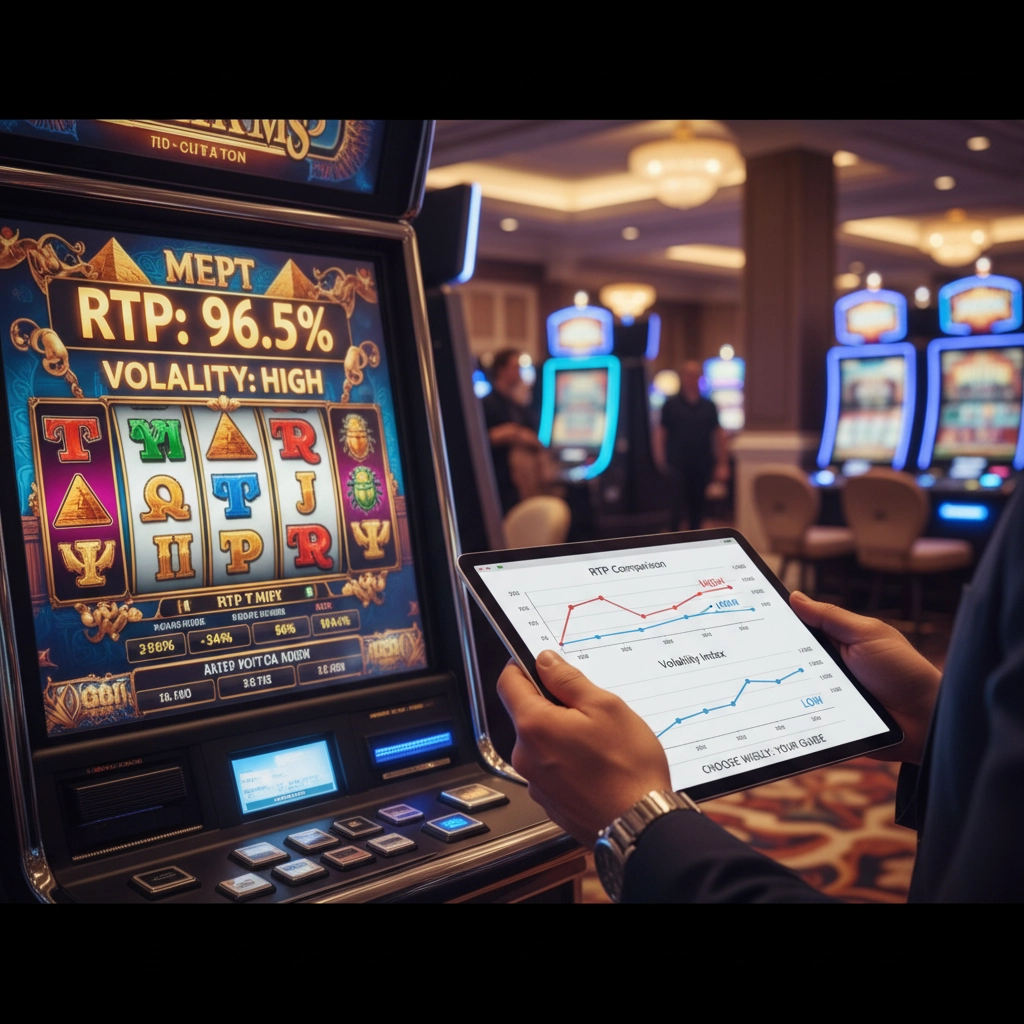

Why modern slot innovations matter for your gameplay
If you play online slots or follow casino game development, you’ll notice the last decade has brought far more than new themes and animated symbols. Developers have introduced rule changes and technologies that alter how frequently you win, how big potential payouts can be, and how engaged you feel while spinning. Understanding innovations like Megaways, Cluster Pays, and early VR experiences helps you choose games that match your goals—whether that’s entertainment, volatility control, or chasing a progressive prize.
These innovations do three practical things for you:
- Change the math behind wins (hit frequency and variance).
- Alter the visual and sensory experience to increase immersion.
- Open new strategic choices, such as stake sizing for high-variance mechanics.
How the Megaways mechanic expanded reel possibilities
Megaways was a watershed innovation that moved slots away from fixed paylines to dynamic symbol counts per reel. When you play a Megaways title, each reel can display a variable number of symbols on a spin, producing thousands — sometimes hundreds of thousands — of ways to win. That variability directly affects volatility and perception:
- More potential winning combinations on a single spin can make outcomes feel more exciting.
- Variable reels increase peak win potential during bonus features and free spins.
- You should expect larger swings; the same RTP can coexist with higher variance than classic 5×3 fixed-payline games.
From a practical standpoint, Megaways games often pair dynamically changing combos with cascading wins or multipliers, creating extended winning sequences that keep you engaged longer. You’ll also see adjustable stake ranges: some Megaways titles let casual players bet small while offering higher-stakes variants for those chasing big payouts.
Why cluster pays changed how wins are formed and perceived
Cluster Pays removes traditional paylines entirely and rewards groups of matching symbols touching in clusters. For you, that means wins are based on adjacency rather than line patterns. This approach alters game design and your experience in several ways:
- It supports unconventional grid shapes and multi-level displays (for example, 7×7 grids).
- Cascading mechanics are a natural fit: symbols vanish and new ones fall into place, enabling chain reactions.
- Cluster systems often feel more tactile and puzzle-like, appealing to players who enjoy pattern recognition rather than counting paylines.
Cluster mechanics also let designers experiment with progressive multipliers, stacked wilds, or degree-of-match bonuses, giving you a wider variety of gameplay rhythms to choose from. As you read on, you’ll next examine how immersive technologies like virtual reality take these mechanical changes and translate them into fully immersive slot environments, and what that means for accessibility and player choice.
How VR translates slot mechanics into immersive spaces
Virtual reality doesn’t just put a screen in front of your face — it reinterprets the mechanics you already know into three-dimensional, spatial interactions. Megaways and Cluster Pays are easy examples: variable-reel layouts become towering columns you can walk around or zoom into, and cluster grids expand into floating panels where individual symbols have depth and motion. Cascading wins gain physicality — symbols erupt, shatter, or tumble away — and multipliers or collected symbols can be represented as glowing orbs or meters in the environment rather than tiny icons on a HUD.
That translation changes perception even when the underlying math doesn’t. Spatial audio, dynamic lighting, and haptic feedback amplify the “wow” of a big hit, making rare outcomes feel more consequential. Designers often keep RNG and RTP intact, but they layer interactivity — letting you pop a bonus chest, trigger a dramatic camera sweep, or reach out to spin a lever — to increase engagement. It’s important to know those interactions are typically cosmetic: they deepen immersion and pacing but shouldn’t alter the house edge unless explicitly stated by the game.
Social rooms, avatars and the new multiplayer layer
One of VR’s most significant shifts is social presence. Instead of solo spins, you can sit in a virtual casino lounge, watch friends’ big wins on a shared stage, or enter tournaments where real players occupy the same room. Avatars, chat bubbles, and emotes replace chat boxes, adding social cues that make wins and losses feel communal. For you, that means social reinforcement — cheers and shared reactions — which can extend sessions and change how you manage your bankroll.
Developers are experimenting with shared bonus rounds and spectator features: someone triggers a free-spin sequence on a central wheel while others watch and potentially earn side rewards. These features create new strategy choices — do you join a high-stakes mixed table or stick to solo machines? — and introduce social risk factors, like peer pressure to raise bets. If you enjoy multiplayer dynamics, VR offers a compelling way to reframe slot play as an event rather than a solitary pastime.
Practical considerations: hardware, accessibility and responsible play
VR adds powerful benefits but also barriers. Hardware cost, headset comfort, and the risk of motion sickness are practical constraints that affect accessibility. Not all titles offer seated modes, simplified controls, or adjustable field-of-view settings, so look for games with clear comfort options and demo modes before betting real money. Cross-platform play and companion desktop versions are increasingly common and help bridge the gap for players without headsets.
From a safety perspective, heightened immersion can blur time and loss awareness. Keep the same responsible-play tools you’d use on desktop: session limits, loss-stop settings, self-exclusion options, and staking plans. Check that VR casinos are licensed and transparent about RTP and game mechanics. Finally, treat early VR slots as an entertainment upgrade rather than a shortcut to better returns — the tech amplifies experience, not expected value. When you pair careful bankroll management with VR’s sensory depth, you get a richer, more social slot experience without surrendering control.
Looking forward: where innovation meets responsibility
The convergence of Megaways, Cluster Pays and VR is reshaping how players experience slots — not by changing the math, but by changing the context. This is a moment for curious players and thoughtful designers alike: experiment with new formats, enjoy richer social and sensory layers, and support developers who prioritize transparency and accessibility. The most compelling games will be those that balance spectacle with clear mechanics and player protections.
If you try VR or multiplayer slots, start with demos, set firm session and loss limits, and choose licensed operators. For tools and support around safe play, consult trusted resources like responsible gambling resources. Above all, treat these innovations as entertainment enhancements — powerful, immersive, and social — rather than guarantees of better outcomes.
Frequently Asked Questions
Do Megaways and Cluster Pays affect the game’s RTP or odds?
No — Megaways and Cluster Pays are payout mechanics and layout systems. The game’s RTP and RNG determine long-term odds; mechanics change how wins are formed and displayed, not the fundamental math. Always check the published RTP and game info for specifics.
Will playing slots in VR make wins feel different?
Yes. VR amplifies sensory feedback (spatial audio, visual effects, haptics) and social presence, which can make wins feel more significant. That heightened perception doesn’t change expected value, so manage wagers and session time accordingly.
What hardware and accessibility features should I look for before trying VR slots?
Look for headsets with good comfort and clear seated/standing modes, adjustable field-of-view, and motion-sickness options. Prefer titles with demo modes and desktop companions if you’re testing performance or comfort. Check that the operator offers responsible-play tools and clear licensing information before staking real money.