Why slot machines became a staple of gambling and popular culture
You encounter slot machines in casinos, bars, and online lobbies because they combine simple rules with instant gratification. From the moment a lever is pulled or a button is pressed, the game offers a clear, low-friction loop: stake, spin, and resolve. That immediacy made slots accessible to casual players and helped them spread beyond gambling halls into mainstream entertainment. Understanding the roots of this appeal helps you appreciate the technical and design choices that shaped every later generation of machines.
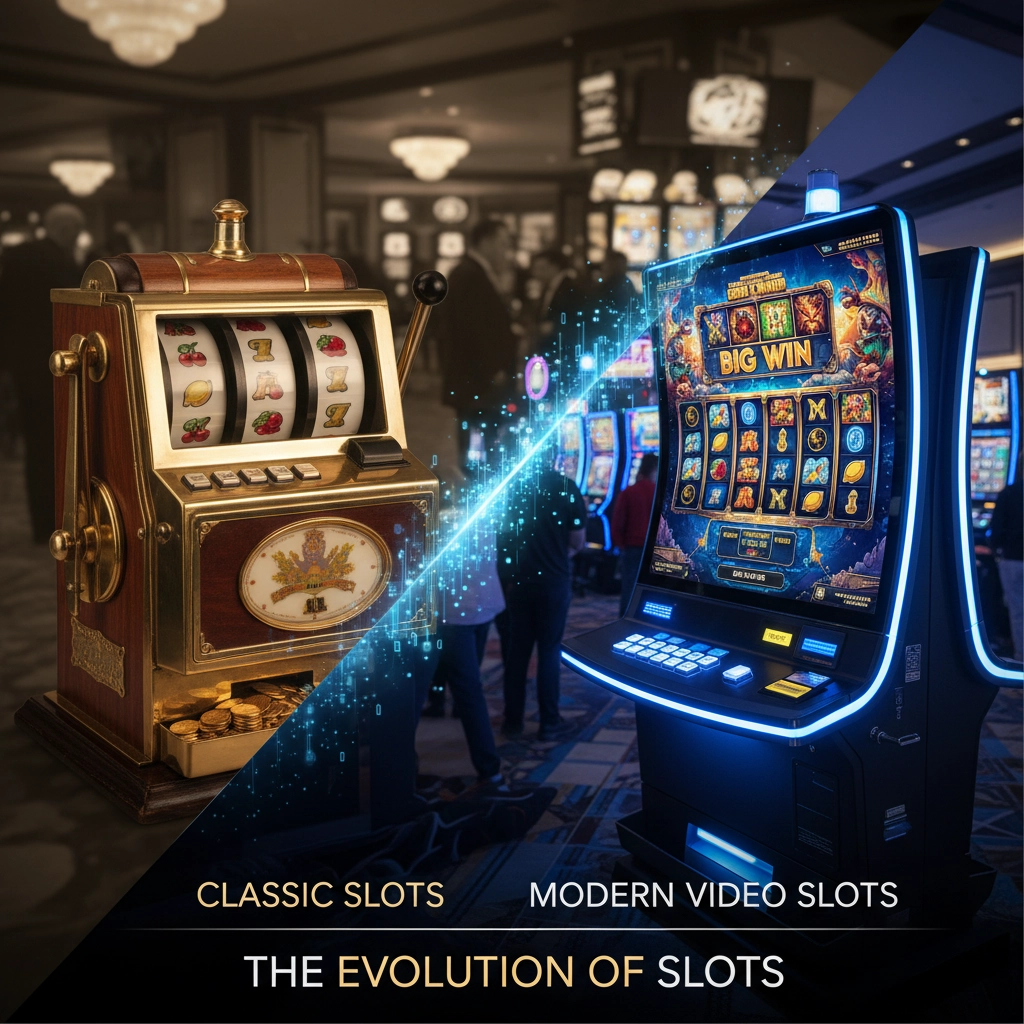
When you look back over more than a century of development, you can see a pattern: innovators repeatedly took the same core mechanic—randomized outcomes displayed on reels—and layered new technology and psychology on top. Each era added features that changed how you interact with the game, from larger jackpots to visual storytelling. The result is a lineage that connects a horse-shoe symbol on a metal reel to a cinematic bonus round on a high-definition screen.
How early mechanical slots worked and what you experienced at the machine
The original mechanics: reels, symbols, and the one-armed bandit
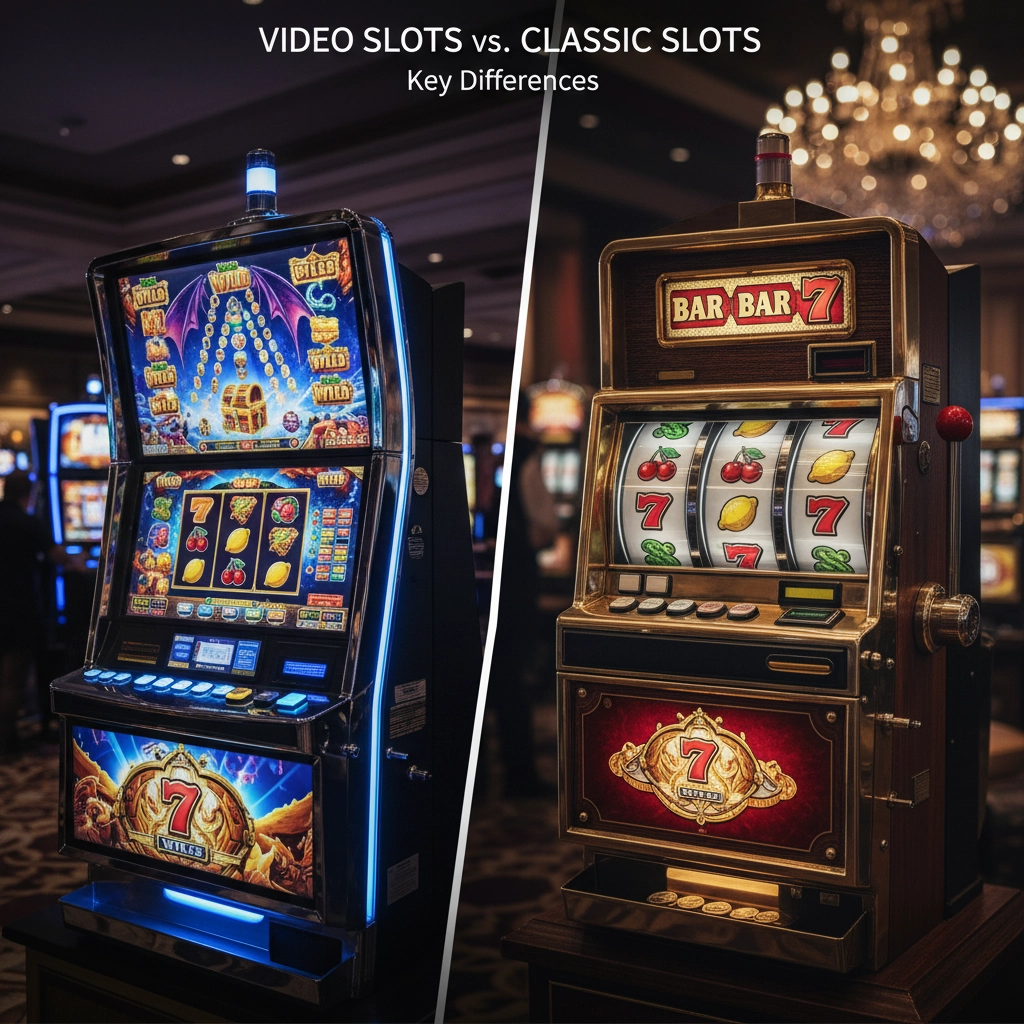
The first commercially successful slot, the Liberty Bell created by Charles Fey in the late 19th century, used three mechanical reels with painted symbols. You pulled a lever—hence the nickname “one-armed bandit”—and the reels spun on a simple mechanical stopping mechanism. Payouts were delivered in coins according to predefined combinations. The machine’s visible mechanics and immediate coin payout gave you a tactile, transparent experience that felt fair and straightforward.
Key characteristics of classic mechanical slots
- Visible, physical reels that you could watch spin and stop.
- A single payline across the center of the reels, keeping outcomes easy to evaluate.
- Simple symbol sets (cherries, bars, horseshoes, Liberty Bell) tied to specific payouts.
- Manual payout or coin hopper systems that rewarded you instantly in cash.
- Low-cost, low-complexity game design that encouraged frequent play from many players.
Because the machines were entirely mechanical, manufacturers had limited ways to vary odds beyond altering the number and distribution of symbols on physical reels. That constraint created a predictable player experience: you learned the value of each symbol and could quickly understand what to expect from a spin. However, the mechanical format also imposed limits on jackpot sizes, animation, and the kinds of bonus features designers could offer.
As you trace the transition from purely mechanical machines to the next generation, focus on the technical barriers that needed to be overcome—reliability, payout automation, and the ability to present more varied outcomes. These challenges set the stage for the arrival of electromechanical and later electronic systems, which would unlock new possibilities for both operators and players.
The electromechanical era: automation, bigger payouts, and new player rhythms
Once manufacturers replaced purely mechanical linkages with electrical components, the rhythm of play changed in ways that were immediately noticeable. Electromechanical machines—pioneered through the mid-20th century—kept visible reels and the familiar cabinet form, but added solenoids, stepper motors and simple relay logic. Those electrical parts made reliable, automated coin handling and quicker payout mechanisms possible, which let casinos offer larger and more frequent wins without manual intervention.
One practical result: machines could chain multiple mechanical subsystems to produce more complex outcomes and sensory feedback. Lights flashed in programmed sequences, bells and chimes emphasized wins, and the characteristic cacophony of the casino floor intensified. For you as a player, these cues increased arousal and made near-misses and small wins feel more significant—design elements that operators learned to use to extend play sessions.
Electromechanical systems also simplified regulatory compliance and maintenance. Technicians could swap electrical components faster than they could repair delicate mechanical gear, and operators began to trust standardized models that could accept more players and coin volumes. Still, the underlying limitation remained: outcomes were ultimately tied to physical reels and the distribution of symbols, constraining how creative designers could be with pay structures or storytelling.
Microprocessors and RNGs: freeing designers from physical constraints
The introduction of solid-state electronics and microprocessors marked the real turning point. When the reel stop and payout logic moved into code, designers gained enormous freedom. Random Number Generators (RNGs) replaced mechanical stopping mechanisms, allowing outcomes to be determined by algorithms rather than fixed gear positions. That change unlocked two crucial capabilities: virtual reels and weighted symbol probabilities.
Virtual reels meant a single digital reel could represent dozens of visible stops, letting designers skew the frequency of symbols without altering hardware. That’s how low-frequency, high-value symbols could appear rarely while maintaining engaging hit frequencies for smaller wins. It also enabled multiple paylines, adjustable bets per line, and transparent return-to-player (RTP) programming—features that redefined both player strategy and casino yield management.
Beyond odds, microprocessors enabled richer audiovisual feedback, real-time accounting, and networking. Machines could report play metrics to central systems, support progressive jackpots across many cabinets, and implement complex bonus logic. For you, this era meant slots were no longer simple coin-return devices but software-driven entertainment platforms.
Video slots and the birth of modern features: narrative, mechanics, and online migration
With video displays replacing—or overlaying—physical reels, designers fully embraced storytelling and interactive moments. Video slots layered themes, characters, and mini-games on top of spinning-reel mechanics. Bonus rounds evolved from simple re-spins into multi-stage narratives: pick-and-click choices, timed challenges, and cinematic cutscenes that turned each bonus into a small piece of interactive entertainment rather than a mere payout event.
As the internet matured, online casinos translated those video experiences to the web and, later, mobile devices. Suddenly game designers could experiment without the constraints of cabinet size or hardware costs. Innovations multiplied: scatter pays and wild symbols, free-spin mechanics, multipliers, cascading or tumbling reels, respins, and more radical systems like dynamically changing reel grids and mechanic-driven brands. Progressive jackpot networks grew from linked cabinets to global pools, creating headline-grabbing payouts.
The net effect is that modern slots are a convergence of probability engineering, audiovisual storytelling, and platform distribution. Each technical advancement—electromechanical, microprocessor, video, and online—didn’t just add a feature; it changed how you experience risk, reward, and narrative in the same few seconds it takes to press Spin.
Looking forward: technology, choice, and player responsibility
Slots will continue to evolve at the intersection of technology and entertainment. Expect more personalization driven by data, tighter integration of narrative and mechanics, and experiments with immersive interfaces such as virtual or augmented reality. At the same time, designers and regulators will face pressure to balance engagement with transparency—making probabilities, RTPs, and bonus mechanics easier to understand for players.
For players and operators alike, the future will be about choice and accountability. Players can benefit from familiarizing themselves with how modern systems work and checking authoritative resources on fairness and regulation. Operators and developers will need to design ethically, prioritizing clear disclosures and tools that support responsible play. For guidance on regulation and safe-play resources, see gambling regulation resources.
Frequently Asked Questions
How did microprocessors change slot gameplay?
Microprocessors moved outcome control from mechanical parts into software, enabling features like virtual reels, weighted symbol probabilities, multiple paylines, and complex bonus logic. That shift allowed designers to create richer experiences and operators to implement networked features such as progressive jackpots.
What are virtual reels and why do they matter?
Virtual reels are digital representations of reel stops that can be weighted independently of the visible reel images. They matter because they let designers control symbol frequency and hit rates without changing physical hardware, enabling both more varied payouts and more engaging short-term play dynamics.
Are online and video slots fair and how are they regulated?
Fairness depends on certified Random Number Generators (RNGs) and transparent RTP settings. Regulated jurisdictions require testing and certification by independent labs and mandate disclosures for players; however, rules vary by region, so checking local regulatory bodies and certifications is important for verifying fairness.